Rev Bras Fisiol Exerc. 2026;25:e255638
doi: 10.33233/rbfex.v25i1.5638
REVIEW
The effectiveness of respiratory muscle training in competitive swimmers: a
systematic review
A efetividade do
treinamento muscular respiratório em nadadores competitivos: uma revisão
sistemática
Clarice da Silva Nogueira
Neves1, George Alvicio Kieling1,
Lucelia Luna Melo-Diaz2
1Universidade Federal do Paraná (UFPR),
Curitiba, PR, Brasil
2Red River College Polytechnic, Winnipeg, Manitoba, Canada
Received: June17, 2025; Accepted:
November 13, 2025.
Correspondence: Clarice da Silva Nogueira Neves: clariceneveslidia@hotmail.com
How to cite
Neves CSN, Kieling GA, Melo-Diaz LL. The effectiveness of respiratory
muscle training in competitive swimmers: a systematic review. Rev Bras Fisiol
Exerc 2026;25:e255638. doi: 10.33233/rbfex.v25i1.5638
Abstract
Introduction: Respiratory muscle training can enhance lung function,
improving performance of competitive swimmers. However, there is a lack of
studies that have comprehensively examined the impact of respiratory muscle
training specifically on swimmers. Objective: The objective of this
study was to verify the effectiveness of respiratory muscle training on
respiratory muscle strength, lung function, swimming performance and aerobic
capacity among competitive swimmers. Method: This is a systematic review
of the current literature, conducted according to PRISMA criteria and
registered with PROSPERO. A total of 629 articles were identified using the
PICO search strategy. Following rigorous eligibility criteria, 13 studies were
included in this review. Results: The results showed a significant
improvement in maximum inspiratory pressure values. No significant changes were
observed in lung function parameters. There was an improvement in swimming
performance and no significant changes were observed in the aerobic capacity of
competitive swimmers. Conclusion: Respiratory muscle training was
effective in increasing respiratory muscle strength, particularly in the
inspiratory muscles, and positively contributed to the sports performance of
swimmers. However, this training did not exhibit effectiveness in improving
lung function or the aerobic capacity of the athletes.
Keywords: breathing exercises; athletes; swimming
Resumo
Introdução: O treinamento muscular respiratório
pode otimizar a função pulmonar, contribuindo para a melhora do desempenho de
nadadores competitivos. No entanto, há uma escassez de estudos que investigaram
o impacto do treinamento muscular respiratório especificamente em nadadores. Objetivo:
O objetivo deste estudo foi verificar a eficácia do treinamento dos músculos
respiratórios sobre a força dos músculos respiratórios, função pulmonar,
desempenho na natação e capacidade aeróbica em nadadores competitivos. Método:
Trata-se de uma revisão sistemática da literatura, conduzida de acordo com os
critérios PRISMA e registrada no PROSPERO. Um total de 629 artigos foi
encontrado como resultado da estratégia de busca baseada no modelo PICO. Após a
rigorosa aplicação dos critérios de elegibilidade, 13 artigos foram incluídos
nesta revisão. Resultados: Os resultados indicaram uma melhora
significativa nos valores de pressão inspiratória máxima; não foram observadas
alterações significativas nos parâmetros gerais de função pulmonar; houve
melhora no desempenho na natação e não foram observadas mudanças relevantes na
capacidade aeróbica dos nadadores competitivos. Conclusão: O treinamento
dos músculos respiratórios foi eficaz em aumentar a força dos músculos
respiratórios, especialmente dos músculos inspiratórios, e contribuiu
positivamente para o desempenho esportivo dos nadadores. No entanto, esse
treinamento não demonstrou eficácia na melhora da função pulmonar geral nem da
capacidade aeróbica dos atletas.
Palavras-chave: exercícios respiratórios; atletas;
natação
Introduction
Respiratory muscle training (RMT) is an intervention
designed to improve the endurance of the inspiratory and/or expiratory muscles
and optimize respiratory function [1]. These interventions utilize incentive
spirometry devices (e.g., Respiron), pressure threshold (e.g., Threshold and
PowerBreathe), or resistance devices [2]. Pressure threshold devices have
calibrated valves that require a target pressure for airflow, while resistance
devices provide constant resistance adjustable by the size of the air openings.
Incentive spirometry devices promote deep, slow breaths to improve lung volumes
based on predefined airflow feedback [2]. RMT is a cost-effective,
easy-to-apply, and safe non-pharmacological intervention, considered essential
in the management of certain cardiopulmonary diseases [3] and an adjunct for
optimizing physical fitness and athletic performance [3,4].
The essential role of RMT is evident when examining the
effect of respiratory muscle fatigue on sports performance [5], in healthy
individuals [6] and individuals with cardiorespiratory diseases such as
pulmonary hypertension [7] and chronic heart failure [8]. In athletes,
limitations in physical performance may result from reduced blood flow to
skeletal muscles due to vasoconstriction and redirection of blood flow to the
respiratory muscles. This physiological response leads to an increase in
metabolites, such as lactate, in the respiratory muscles, intensifying local
fatigue and ultimately reducing athletic performance [5,9]
Athletes from various sports modalities have used RMT
techniques to overcome these limitations, to enhance physiological responses
and improve exercise tolerance [10]. Research has shown that improving
respiratory mechanical efficiency, fatigue resistance, and reducing oxygen
consumption leads to increased oxygen availability for skeletal muscles,
resulting in enhanced exercise endurance, reduced respiratory fatigue,
decreased sensation of dyspnea, and effort during exercise in both normoxia and
hypoxia [3,5,11]. Studies support these findings, showing significant
improvements in the performance of athletes across various sports, such as
football [12,13], skating [14], rugby [15], kickboxing [16], basketball
[17,18], running [19,20] and increased load endurance in triathletes [5].
However, swimming, unlike other sports, requires both
strength and endurance and demands a balance between aerobic and anaerobic
energy production. Inspiratory muscle fatigue can negatively affect athlete
performance, particularly due to the respiratory demands associated with the
prone position, resulting in a 16% decrease in the ability to generate force,
restricted breathing frequency, and increased respiratory resistance due to
water immersion and hydrostatic pressure surrounding the thoracic cavity [11,21,22].
The use of RMT in training can enhance respiratory strength and performance, as
well as extends periods of apnea, hence improving immersion time and swimming
endurance [23].
Although other systematic reviews have addressed RMT in
athletes [3,24,25] and more targeted reviews relating RMT to sports such as
football [26]. While the conclusion of these reviews highlights improvements in
maximal inspiratory pressure (MIP) [26], maximal oxygen consumption [26],
sports performance [3,10,24,25], lung function [3,10] and respiratory muscle
strength [25], the specificities of swimming make the context for athletes in
this sport limited due to the lack of studies that have investigated the
effects of RMT on swimmers. Therefore, the objective of this study was to
assess the effectiveness of respiratory muscle training on respiratory muscle
strength, lung function, swimming performance, and aerobic capacity among
competitive swimmers.
Methods
This is a systematic review conducted in accordance with
the recommendations of the Preferred Reporting Items for Systematic Reviews and
Meta-Analysis (PRISMA) and it was registered in the public database PROSPERO
under the number CRD42024518455.
Eligibility criteria
The inclusion criteria were studies with humans, swimming
athletes, interventional studies, observational studies (prospective,
retrospective, and cross-sectional), or experimental studies (randomized
clinical trials), with no restrictions on race, sex, or country.
The exclusion criteria were studies that did not include
respiratory muscle training, athletes with pathologies (e.g., asthma and spinal
cord injury), para-athletes or athletes with disabilities, comparative studies
between normoxia and hypoxia situations or in hypothermia, athletes from other
sports (e.g., football, basketball, rugby, tennis), duplicate studies, case
studies and case series, comments, conference abstracts, recommendations,
letters to the editor, editorials, studies containing protocols for randomized
clinical trials, guidelines, consensuses, reviews, and incomplete studies.
Information sources
The search was conducted in the following databases:
PubMed, Web of Science, Scopus and Embase.
Search strategy
The “PICO” strategy was outlined according to the
objectives of the study (Table I). A search was conducted for DeCS and MeSH
descriptors related to the terms for the population ('athlete') and the
intervention ('respiratory muscle training', i.e, a non-DeCS-MeSH term).
Table I - PICO Strategy

The Group column refers to the acronym “PICO”; Table
developed by the authors based on data from the study
The search strategy used was ("respiratory muscle
training" OR "inspiratory muscle training" OR "expiratory
muscle training" OR "breathing exercises" OR "respiratory
training" OR "breathing devices") AND ("Athlete*" OR
"Athletic performance"). For the Embase database, the strategy used
was ("respiratory muscle training" OR "inspiratory muscle
training" OR "expiratory muscle training" OR "breathing
exercises" OR "respiratory training" OR "breathing
devices") AND ("Athletes" OR "Athletic performance")
to maximize the retrieval of relevant articles.
Filter: Studies published in the last ten years (2014 to
2024) in Portuguese, English, and Spanish, with full texts available for free
or accessible via institutional subscription, were selected according to the
study's inclusion criteria.
Selection process
The study selection was conducted in pairs: two reviewers
(C.N. and L.MD.) independently selected the studies according to the inclusion
criteria. In case of disagreement between the two reviewers, a third reviewer
(G.K.) served as mediator to assess and decide on study inclusion or exclusion.
Individual studies included in the systematic reviews from the search strategy
were consulted separately as an additional selection (outside the search
strategy). The title and abstract of potentially eligible studies were read in
full for the selection of studies according to the pre-established inclusion
and exclusion criteria. Full-text studies were consulted when the information
in the abstract was insufficient. The ZOTERO® software was used to manage data
screening. Finally, a flowchart following the PRISMA recommendation
(http://www.prisma-statement.org/) was used to present a summary of the study
selection process.
Data collection process
All selected studies were read in full, and the data
collection process was conducted similarly to the selection process, including
two independent reviewers (in blind) and a third reviewer to mediate
disagreements. The data collection was conducted without any automation using
only the full reading of the report.
Data items
The following information was extracted from each study:
author identification, publication year, country of origin, study design,
sample size, sex, participants’ mean age, type of respiratory training, and key
outcomes.
Study risk of bias assessment
The National Heart, Lung, and Blood Institute (NIHLBI)
instrument “Quality Assessment of Controlled Intervention Studies” was used to
assess the methodological quality of the studies. This instrument was selected
due to its structured and reliable assessment of the methodological quality of
intervention studies, assessing potential biases and internal validity. It
consists of 14 items, with possible responses of “yes,” “no,” or “not
reported.” A score of 1 is assigned for a “yes” response, while a score of 0 is
assigned for the other responses. Therefore, the overall score represents the
number of affirmative responses. For qualitative evaluation of the final
scores, studies with a score above 12 were considered “good,” those scoring
between 9 and 12 were considered “moderate,” and studies scoring below 9 were
considered “weak.” The evaluation and quality assessment were conducted
independently by two authors.
Synthesis methods
A narrative synthesis of the included studies was
conducted, structured around study design, participants, type of respiratory
muscle training, and outcomes assessed.
Reporting bias assessment
The risk of bias was assessed qualitatively using the
Zotero platform, in addition to the The National Heart, Lung, and Blood
Institute (NIHLBI) instrument “Quality Assessment of Controlled Intervention
Studies”.
Certainty assessment
A formal assessment of the certainty of the body of
evidence was interpreted qualitatively based on study design, methodological
quality, sample size, and consistency of results across the included studies.
Results
The initial search yielded 629 studies: 111 from the
PubMed platform, 200 from Embase, 205 from Scopus, and 113 from Web of Science.
Of these, 351 were excluded due to duplication, for not meeting the inclusion
criteria, and 60 for not including swimmers (Figure 1).
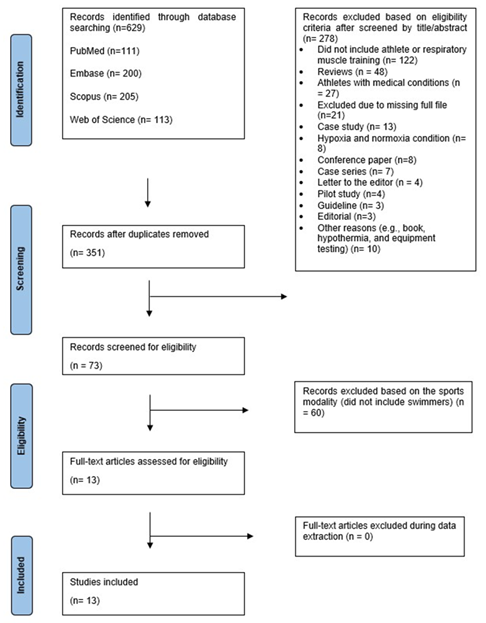
Figure 1 - PRISMA flowchart of study selection
Of the 13 selected articles, 11 were randomized clinical
trials, one was an exploratory study, and one was a non-randomized trial.
Regarding methodological quality, only one study had good quality, seven
studies had moderate quality, and five studies were rated as having poor
quality.
The studies were conducted in the United States (2
studies) [22,27], the United Kingdom (2 studies) [28,29], Chile (2 studies)
[30,31], India [32], the Czech Republic [23], Mexico [21], Portugal [33],
Latvia [34], China [11] and Japan [35] with one study each. Most studies
included both sexes. One study did not specify the number of male and female
participants [23] while three studies had exclusively male subjects [4,11,35].
The minimum sample size was 11 participants [21] and the maximum was 43 [11], with
a minimum average age of 11 years [23] and a maximum average age of 21 years
[11,29]. Twelve studies were published in English [4,11,21,22,23,27,28,29,32,33,34,35] and
one in Spanish [31] (Table II).
Table II - Summary of the characteristics and outcomes of
included studies
Among the respiratory muscle training methods, nine
studies used "flow-resistive inspiratory muscle training," with seven
of these utilizing POWERbreathe devices [11,28,29,30,31,33,35],one study using the
Threshold device [23] and one study not stating the device type [22]. The
remaining studies used the Yogic Breathing Practices (YBP) [32], controlled
frequency breathing (CFB) [27], MRfit protocol [21] and modified breathing
exercise [34] .
The outcome "respiratory muscle strength" was
examined in ten studies [11,22,23,27,28,29,30,31,33,35]. Eight studies reported
significant improvements in Maximum Inspiratory Pressure (MIP)
[22,23,27,28,30,31,33,35]] in the Experimental Group (EG) compared to the
Control Group (CG). However, results regarding Maximum Expiratory Pressure
(MEP) were inconsistent. Vasickova et al. [23] reported an improvement
in MEP between the EG and CG, while [28] did not find a statistically
significant improvement between the groups. In addition to the improvement in
respiratory muscle strength, Yañez-Sepulveda [30] also identified a significant
improvement in maximum inspiratory flow between the EG and CG. In contrast, two
studies [29,33] did not find any difference in MIP values between the groups
after Respiratory Muscle Training (RMT). In the intragroup analysis, Tan et
al. [11] identified improvements in MIP parameters in the EG when comparing
pre- and post-RMT results.
Of the ten studies that examined the outcome "lung
function" [11,22,23,27,29,30,31,32,33,34] seven of them [22,23,27,29,30,31,33] did not
find statistically significant improvements in pulmonary function parameters
when comparing the EG with the CG. Only the study by Hakked et al. [32]
reported improvements in lung function parameters, including Maximum Voluntary
Ventilation (MVV) and Forced Vital Capacity (FVC) in the EG compared to the CG.
However, no improvements were observed in Slow Vital Capacity (SVC),
Inspiratory Reserve Volume (IRV), Minute Ventilation (MV), and Peak Expiratory
Flow (PEF) [32]. In intragroup comparisons, Tan et al. [11] reported
improvements in vital capacity (VC) and Jakubovskis et al. [34]
reported improvements in FVC and Peak Inspiratory Flow (PIF), both in the EG
compared to the pre-training situation.
The outcome "Swimming performance" was examined
in ten studies [11,23,27,29,30,31,32,33,34]. Among these, six studies [23,28,29,30,32,34] found
improvements in performance in the EG compared to the CG. Hakked et al.
[32] showed improvements through the reduction in the number of strokes;
Jakubovskis et al. [34] reported the improvement in the world aquatic
(WA) points ; Wilson et al. [29] found improved performance in the 100 m
exclusively when respiratory muscle training (RMT) was combined with the
warm-up and Yañez-Sepulveda [30] found significant improvements in swimming
times for t50 m, 100 m, and 200 m. Lomax et al. [28] also found
improvements in 100 m and 200 m performance following RMT, but these
improvements were limited to athletes with higher training loads (above 31
km/week). Vasickova et al. [23] reported improvements in apnea time,
with effects sustained for 1-month post-RMT in the EG compared to the CG due to
the cross-over design. Intragroup analyses showed improvements in 50 m and 100
m performance times, reduced number of breaths during performance, and
increased distance covered before the first inspiration in the EG [11].
Nevertheless, two studies did not find significant improvements in swimming
performance. Burtch et al. ]27] and Cunha et al. [33] did not
observe improvements in the 200 m performance.
Finally, the outcome, "aerobic capacity," was
examined in only three studies [21,27,31]. None of the studies reported
significant changes in aerobic capacity parameters in the EG compared to the CG
[21,27,31].
Discussion
The objective of this study was to examine the
effectiveness of respiratory muscle training on respiratory muscle strength,
lung function, swimming performance, and aerobic capacity among competitive
swimmers. The results showed that most of the studies included in this
systematic review reported improvements in MIP [22,23,27,28,30,31,33,35] but
not in lung function parameters. The studies reported improvements in swimming
performance but did not identify changes in the aerobic capacity of competitive
swimmers.
Regarding respiratory muscle strength, 8 of the 10
studies included showed improvement in MIP. MIP primarily assesses
diaphragmatic strength [10]. This finding is supported by other studies
examining this parameter in different sports, with increased MIP attributed to
improvements in diaphragmatic oxidative capacity and an increase in strength
that contributes to greater fatigue resistance [10], leading to better athletic
performance. Studies with soccer players have shown that an increase in MIP
resulted in reduced sprint times [12,36] improving exercise tolerance and
enhancing the players' endurance [36]. Similarly, RMT in both elite and
non-elite swimmers significantly increased MIP, regardless of participants'
age, intervention duration, or baseline MIP [37].
In contrast, MEP was not largely examined in the studies,
and only a few utilized this instrument as a measure of respiratory muscle
strength. MEP assesses the strength of the respiratory muscles, particularly
the internal intercostals and abdominal muscles [10]. Perhaps the
well-established capacity of MIP to predict diaphragm weakness [38] aligned
with enhancements in anaerobic performance are factors that may have favored
the utilization of MIP over MEP in these studies [39].
The findings of this systematic review showed that there
was no improvement in lung function among competitive swimmers following RMT,
similar to what has been described by Carvajal-Tello et al. [37]. These
findings may be related to supra-physiological limits of lung function in
athletes. A meta-analysis has shown that, before RMT, the values of key lung
function parameters were already approaching 100% of physiological levels in
athletes [3]. Swimming is a sport that imposes a significant demand on lung
function due to increased hydrostatic pressure and high inspiratory flow during
breathing [40], factors that promote inspiratory muscle training [40].
Therefore, since lung function is already close to a maximum plateau, the
possibility of additional gains is reduced [3,36]. Additionally, the use of
insufficient RMT loads may have contributed to the lack of significant
improvements, considering the already elevated pulmonary function of the athletes
[3], particularly in the study by Hakked et al. [32], which incorporated
Yogic Breathing practices without additional RMT load.
The lack of improvement in lung function, or improvement
in only a few parameters, with RMT was also observed in other studies examining
different sports, such as running [41], soccer [26], hockey [42], and martial
arts [16]. Therefore, it is possible that lung function was already optimized
prior to RMT in these athletes or that the resistance used in RMT was
insufficient.
This systematic review showed an improvement in athletic
performance among swimmers following RMT, despite the significant variability
in performance measurement parameters. Improvement in athletic performance was
observed not only in studies that also included swimmers [34,40], but also in
other sports such as running [19], cycling [43], and soccer [36]. RMT enhances
the oxidative capacity of inspiratory muscles, reduces the oxygen demand of the
respiratory muscles, and promotes tissue remodelling of the respiratory
muscles, such as diaphragm hypertrophy and an increase in type II fibres [44].
These adaptations increase the strength and functionality of the respiratory
muscles, delay the respiratory metabolic reflex [40,45,46], facilitate the
availability of oxygen to peripheral muscles [45], and reduce the perception of
shortness of breath and discomfort in the limb muscles [45,47]. Therefore,
these physiological improvements may explain the enhancement in athletic
performance [3,45].
Finally, no improvements in aerobic capacity were
observed; however, only three studies addressed this topic in our review. VO2max
is related to the amount of oxygen diffused and utilized by the body during
physical activity. Two meta-analyses examined this topic: Hajghanbari et
al. [48], examining 13 studies, reported no improvements in VO2max,
while Fernández-Lázaro et al. [10] observed that RMT produced improvements in
aerobic capacity, although not significant [10]. Espinosa-Mendez et al.
[21] found an improvement in VO2max in their study, although they
acknowledged the scarcity of studies corroborating such findings. This may
occur due to VO2max being more reliant on cardiac output than on the
respiratory system [21]. It is estimated that, during intense exercise, the
respiratory muscles can utilize up to 16% of cardiac output, reducing the
availability of oxygen for the skeletal muscles responsible for mobility. This
phenomenon occurs due to the sympathetic vasoconstrictor response, which
decreases blood flow to the skeletal muscles, reducing their energy production
and consumption. As a result, skeletal muscle may fatigue increase and blood flow
is redistributed to preserve respiratory function without compromising the
energy demands of the respiratory muscles [10].
This systematic review has limitations. The small number
of studies reduces the robustness of the conclusions. Additionally, the
variability in outcome measurement, particularly regarding swimming
performance, limits comparisons among studies. The greatest variations were
related to the RMT method, training load, and weekly frequency. Due to the lack
of alignment in these key training variables, conducting a meta-analysis was
not feasible. Regarding the assessment of methodological quality, among the 13
included studies, only one study was rated as good quality, seven as moderate
quality, and five as poor quality. The findings show that the majority of the
available evidence has important methodological limitations, which must be
taken into account when interpreting the results of this review. However, given
the lack of prior systematic reviews in this specific area, we decided to
conduct the present study to synthesize the available evidence and highlight
gaps to be addressed in future studies.
Nevertheless, the strength of
this study lies in its status as, to our knowledge, this is the first
systematic review to examine the effectiveness of respiratory muscle training
in athlete swimmers. This confers the study an innovative approach,
establishing a framework for future investigations and filling a gap in this
research area.
Recommendation for future research
Future studies should aim to improve methodological
quality (e.g., randomization and blinding) and prioritize the standardization
of RMT protocols, particularly regarding the type of device used, as well as
key training variables such as load, frequency, and intervention duration,
which showed considerable variability across studies. It is also recommended to
include subgroup analyses based on athletes’ competitive level, as this may
help to distinguish performance responses according to different levels of
competition, even among professional swimmers. In addition, studies should
explore the physiological mechanisms underlying performance gains and examine
the effects of higher resistance parameters in RMT, especially in swimmers with
greater baseline respiratory conditioning.
Conclusion
Respiratory muscle training was effective in increasing
respiratory muscle strength, particularly inspiratory strength, in swimmers.
Additionally, respiratory muscle training was effective in improving the
athletic performance of these athletes. However, no effectiveness of this
training was observed in improving pulmonary function and aerobic capacity
among the swimmers.
Academic affiliation
This article is derived from a postgraduate thesis in
Physical Education, conducted under the supervision of Dr. Lucélia Luna
Melo-Diaz at the Hospital de Clínicas Complex of the Federal University of
Paraná.
Conflict of interest
The authors declare that they have no competing
interests.
Authors’ contributions
Conception and design of the research: Neves CNN, Kieling
GA, Melo-Diaz LL; Data acquisition: Neves CNN, Kieling GA, Melo-Diaz LL; Data
analysis and interpretation: Neves CNN; Kieling GA, Melo-Diaz LL; Statistical
analysis: Neves CNN; Kieling GA; Melo-Diaz LL; Funding acquisition: Neves CNN,
Kieling GA, Melo-Diaz LL; Manuscript writing: Neves CNN, Kieling GA, Melo-Diaz
LL; Critical revision of the manuscript for important intellectual content:
Neves CNN, Kieling GA, Melo-Diaz LL.
References
- Watson K, Egerton T, Sheers N, Retica S, McGaw R, Clohessy T, et al.
Respiratory muscle training in neuromuscular disease: a systematic review and
meta-analysis. European Respiratory Review 2022;31:1–23. doi: 10.1183/16000617.0065-2022 [Crossref]
- Winkle MJ, Sankari A. Respiratory muscle strength training. Treasure Island (FL): StatPearls; 2024.
- Fernández-Lázaro D, Corchete LA, García JF, Jerves Donoso D, Lantarón-Caeiro E, Cobreros Mielgo R, et al. Effects on respiratory pressures, spirometry biomarkers, and sports performance after inspiratory muscle training in a physically active population by Powerbreath®: A systematic review and meta-analysis. Biology (Basel) 2023;12:1–19. doi: 10.3390/biology12010056 [Crossref]
- Yáñez-Sepúlveda R, Verdugo-Marchese H, Duclos-Bastías D, Tuesta M, Alvear-Ordenes I. Effects of inspiratory muscle training on muscle oxygenation during vascular occlusion testing in trained healthy adult males. Int J Environ Res Public Health 2022;19:1–11. doi: 10.3390/ijerph192416766 [Crossref]
- Kowalski T, Kasiak PS, Rebis K, Klusiewicz A, Granda D, Wiecha S. Respiratory muscle training induces additional stress and training load in well-trained triathletes—randomized controlled trial. Front Physiol 2023:1–14. doi: 10.3389/fphys.2023.1264265 [Crossref]
- Ferraro F V., Zhou Y, Roldán A, Edris R. Multimodal respiratory muscle training and Tai Chi intervention with healthy older adults: A double-blind randomised placebo control trial. J Bodyw Mov Ther 2025;42:527–34. doi: 10.1016/j.jbmt.2025.01.046 [Crossref]
- Fontoura FF, Roncato G, Meyer GMB, da Luz Goulart C, Spilimbergo FB, Cipriano Junior G, et al. Inspiratory muscle training on exercise capacity, dyspnoea and health status in pulmonary hypertension: A randomised controlled trial. Respirology 2025;30:760–9. doi: 10.1111/RESP.70054 [Crossref]
- Wang QC, Li JY, Ni XS, Zhao WW, Wang XC, Wang LC. Impact of walking and respiratory training on cardiopulmonary function and activity endurance in patients with chronic heart failure. Clin Cardiol 2025;48. doi: 10.1002/CLC.70123 [Crossref]
- López-Pérez ME, Romero-Arenas S, Giráldez-García MA, Colomer-Poveda D, Márquez G. Acute psychophysiological responses during exercise while using resistive respiratory devices: A systematic review. Physiol Behav 2022; 256:113968. doi: 10.1016/J.PHYSBEH.2022.113968 [Crossref]
- Fernández-Lázaro D, Gallego-Gallego D, Corchete LA, Fernández Zoppino D, González-Bernal JJ, García Gómez B, et al. Inspiratory muscle training program using the powerbreath®: Does it have ergogenic potential for respiratory and/or athletic performance? A systematic review with meta-analysis. Int J Environ Res Public Health 2021;18:1–18. doi: 10.3390/ijerph18136703 [Crossref]
- Tan M, Liang Y, Lv W, Ren H, Cai Q. The effects of inspiratory muscle training on swimming performance: A study on the cohort of swimming specialization students. Physiol Behav 2023;271:1–8. doi: 10.1016/j.physbeh.2023.114347 [Crossref]
- Sousa MM, Pimentel MDS, Sobreira IDA, Barros RDJ, Borghi-Silva A, Mazzoli-Rocha F. Inspiratory muscle training improves aerobic capacity in amateur indoor football players. Int J Sports Med 2021;42:456–63. doi: 10.1055/A-1255-3256 [Crossref]
- Xavier DM, Miranda JP, Figueiredo PHS, Lima VP. The effectiveness of respiratory muscular training in athletes: A systematic review and meta-analysis. J Bodyw Mov Ther 2025; 42:777–92. doi: 10.1016/j.jbmt.2025.01.010 [Crossref]
- Kowalski T, Klusiewicz A, R?bi? K, Wilk A, Starczewski M. Comparative study of different respiratory muscle training methods: Effects on cardiopulmonary indices and athletic performance in elite short-track speedskaters. Life 2024;14:1–13. doi: 10.3390/LIFE14091159 [Crossref]
- Freitas JP, Costa R, Barranco LC, Reis K, Lopes AJ, Mainenti MRM, et al. Effect of inspiratory muscle training on pulmonary function, respiratory muscle strength, aerobic performance, sports skills, and quality of life in wheelchair rugby athletes. J Bodyw Mov Ther 2024; 40:360–5. doi: 10.1016/J.JBMT.2024.04.049 [Crossref]
- Alnuman N, Alshamasneh A. The effect of inspiratory muscle training on the pulmonary function in mixed martial arts and kickboxing athletes. J Hum Kinet 2022;81:53–63. doi: 10.2478/HUKIN-2022-0005 [Crossref]
- Fernández-Lázaro D, Corchete LA, García JF, Jerves Donoso D, Lantarón-Caeiro E, Cobreros Mielgo R, et al. Effects on respiratory pressures, spirometry biomarkers, and sports performance after inspiratory muscle training in a physically active population by Powerbreath®: A systematic review and meta-analysis. Biology (Basel) 2022;12:56. doi: 10.3390/BIOLOGY12010056 [Crossref]
- Cavaggioni L, Trecroci A, Formenti D, Courtney R, Dascanio G, Scurati R, et al. Effects of a nasal breathing protocol on physical fitness and pulmonary function in young basketball players. J Sports Med Phys Fitness 2022;62:1368–74. doi: 10.23736/S0022-4707.21.12921-4 [Crossref]
- Chang YC, Chang HY, Ho CC, Lee PF, Chou YC, Tsai MW, et al. Effects of 4-week inspiratory muscle training on sport performance in college 800-meter track runners. Medicina (Kaunas) 2021;57:1–8. doi: 10.3390/MEDICINA57010072 [Crossref]
- Mizuno S, Suzuki Y, Goto K, Takao K, Sumi D, Ishida K, et al. Relationship between respiratory muscle endurance and dyspnea during high-intensity exercise in trained distance runners. Respir Physiol Neurobiol 2022;296. doi: 10.1016/J.RESP.2021.103812 [Crossref]
- Espinosa-Mendez CM, Renero-Carrillo FJ, San Martin-Rodriguez SL, Flores-Chico B. The effect of respiratory muscle training on the maximum oxygen consumption and the anaerobic threshold. Sport Mont 2020;18:57–60. doi: 10.26773/smj.201010 [Crossref]
- Shei R-J, Lindley M, Chatham K, Mickleborough TD. Effect of flow-resistive
inspiratory loading on pulmonary and respiratory muscle function in sub-elite
swimmers. J Sports Med Phys Fitness 2016;56:392–8. PMID: 25503711
- Vaší?ková J, Neumannová K, Svozil Z. The effect of respiratory muscle
training on fin-swimmers’ performance. J Sports Sci Med 2017;16:526. PMID:
29238252 PMCID: PMC5721182
- Karsten M, Ribeiro GS, Esquivel MS, Matte DL. The effects of inspiratory muscle training with linear workload devices on the sports performance and cardiopulmonary function of athletes: A systematic review and meta-analysis. Phys Ther Sport 2018; 34:92–104. doi: 10.1016/J.PTSP.2018.09.004 [Crossref]
- Carvajal-Tello N, Ortega JG, Caballero-Lozada AF, Devia-Quiñonez MJ, González-Calzada I, Rojas-Hernández D, et al. Effects of inspiratory muscle training on lung function parameter in swimmers: a systematic review and meta-analysis. Front Sports Act Living 2024;6:1–15. doi: 10.3389/FSPOR.2024.1429902/FULL [Crossref]
- León-Morillas F, León-Garzón MC, Del Mar Martínez-García M, Reina-Abellán J, Palop-Montoro MV, Oliveira-Sousa SL. Effects of respiratory muscle training in soccer players: A systematic review with a meta-analysis. Sportverletzung-Sportschaden 2021;35:154–64. doi: 10.1055/A-1524-0021/ID/JR021-15/BIB [Crossref]
- Burtch AR, Ogle BT, Sims PA, Harms CA, Symons TB, Folz RJ, et al. Controlled frequency breathing reduces inspiratory muscle fatigue. J Strength Cond Res 2017;31:1273–81. doi: 10.1519/JSC.0000000000001589 [Crossref]
- Lomax M, Kapus J, Brown PI, Faghy M. Impact of weekly swimming training distance on the ergogenicity of inspiratory muscle training in well-trained youth swimmers. J Strength Cond Res 2019;33(8):2185-93. doi: 10.1519/JSC.0000000000002375 [Crossref]
- Wilson EE, Mckeever TM, Lobb C, Sherriff T, Gupta L, Hearson G, et al. Respiratory muscle specific warm-up and elite swimming performance. Br J Sports Med Published 2013:1–5. doi: 10.1136/bjsports-2013 [Crossref]
- Yañez-Sepulveda R, Alvear-Ordenes I, Tapia-Guajardo A, Verdugo-Marchese H, Cristi-Montero C, Tuesta M. Inspiratory muscle training improves the swimming performance of competitive young male sprint swimmers. Journal of Sports Medicine and Physical Fitness 2021;61:1348–453. doi: 10.23736/S0022-4707.21.11769-4 [Crossref]
- Troncoso-Galleguillos
P, Araneda OF, Naranjo-Orellana
J. Inspiratory muscle
training for 3 weeks increases
maximal inspiratory pressure
but not the
performance in young Chilean
elite swimmers. Retos 2024; 60:1110–21.
- Hakked CS, Balakrishnan R, Krishnamurthy MN. Yogic breathing practices improve lung functions of competitive young swimmers. J Ayurveda Integr Med 2017;8:99–104. doi: 10.1016/j.jaim.2016.12.005 [Crossref]
- Cunha M, Mendes F, Paciência I, Rodolfo A, Carneiro-Leão L, Rama T, et al. The effect of inspiratory muscle training on swimming performance, inspiratory muscle strength, lung function, and perceived breathlessness in elite swimmers: a randomized controlled trial. Porto Biomed J 2019;4:e49. doi: 10.1097/j.pbj.0000000000000049 [Crossref]
- Jakubovskis G, Zuša A, Solovjova J, Boobani B, Glaskova-Kuzmina T, Grants J, et al. Effects of breathing exercises on young swimmers’ respiratory system parameters and performance. MCB Molecular and Cellular Biomechanics 2024;21. doi: 10.62617/mcb.v21i1.205 [Crossref]
- Ando R, Ohaya T, Kusanagi K, Koizumi J, Ohnuma H, Katayama K, et al. Effect of inspiratory resistive training on diaphragm shear modulus and accessory inspiratory 2 muscle activation. Appl Physiol Nutr Metab 2020:1–31. doi: 10.1139/apnm-2019-0906 [Crossref]
- Mackała K, Kurzaj M, Okrzymowska P, Stodóka J, Coh M, RoZek-Piechura K. The effect of respiratory muscle training on the pulmonary function, lung ventilation, and endurance performance of young soccer players. Int J Environ Res Public Health 2020;17:1–14. doi: 10.3390/ijerph17010234 [Crossref]
- Carvajal-Tello N, Guillermo Ortega J, Fabricio Caballero-Lozada A, Juliana Devia-Quiñonez M, González-Calzada I, Rojas-Hernández D, et al. Effects of inspiratory muscle training on lung function parameter in swimmers: a systematic review and meta-analysis. Front Sports Act Living 2024;16:1–15. doi: 10.3389/fspor.2024.1429902 [Crossref]
- Schoser B, Fong E, Geberhiwot T, Hughes D, Kissel JT, Madathil SC, et al. Maximum inspiratory pressure as a clinically meaningful trial endpoint for neuromuscular diseases: a comprehensive review of the literature. Orphanet J Rare Dis 2017;12. doi: 10.1186/S13023-017-0598-0 [Crossref]
- Çelik Z, Güzel NA, Allahverdiyeva S, Sendur HN, Cerit MN. Effects of simultaneous aerobic and inspiratory muscle training on diaphragm function, respiratory muscle strength, endurance, and fatigue index: randomized-controlled trial. Eur J Appl Physiol 2025. doi: 10.1007/S00421-025-05868-1 [Crossref]
- Liu S, Gou P, Lin M. The effect of respiratory muscle training on swimming performance: a systematic review and meta-analysis. Front Physiol 2025;16:1638739. doi: 10.3389/FPHYS.2025.1638739/FULL [Crossref]
- Rozek-Piechura K, Kurzaj M, Okrzymowska P, Kucharski W, Stodó?ka J, Ma?ka?a K. Influence of inspiratory muscle training of various intensities on the physical performance of long-distance runners. J Hum Kinet 2020;75:127–37. doi: 10.2478/hukin-2020-0031 [Crossref]
- Ramos I, Barreira S, Viana R. Inspiratory muscle training on lung function of male roller hockey players: a randomized controlled trial pilot study. Porto Biomed J 2020;5:e075. doi: 10.1097/J.PBJ.0000000000000075 [Crossref]
- Chambault J, Grand G, Kayser B. Sex-specific effects of respiratory muscle endurance training on cycling time trial performance in normoxia and hypoxia. Front Physiol 2021;12. doi: 10.3389/FPHYS.2021.700620 [Crossref]
- Fabero-Garrido R, Del Corral T, Plaza-Manzano G, Sanz-Ayan P, Izquierdo-García J, López-De-Uralde-Villanueva I. Effects of respiratory muscle training on exercise capacity, quality of life, and respiratory and pulmonary function in people with ischemic heart disease: systematic review and meta-analysis. PTJ: Phys Ther Rehabil J 2024. doi: 10.1093/ptj/pzad164 [Crossref]
- Kowalski T, Dias Rodrigues G, Zanini M. Application of respiratory muscle training for improved intermittent exercise performance in team sports: a narrative review. Front Sports Act Living 2025;7:1–8. doi: 10.3389/FSPOR.2025.1632207 [Crossref]
- Lima TBW, Silva BBS, Souza APSS, Aires DMF, Fagundes MG. The effect of inspiratory muscle training on the inspiratory muscle metaboreflex: A systematic review. Can J Respir Ther 2025;61:51–9. doi: 10.29390/001C.132324 [Crossref]
- Lorca-Santiago J, Jiménez SL, Pareja-Galeano H, Lorenzo A. Inspiratory muscle training in intermittent sports modalities: A systematic review. Int J Environ Res Public Health 2020;17:1–17. doi: 10.3390/ijerph17124448 [Crossref]
- Hajghanbari B, Yamabayashi C, Buna TR, Coelho JD, Freedman KD, Morton TA, et al. Effects of respiratory muscle training on performance in athletes: a systematic review with meta-analyses. J Strength Cond Res 2013;27:1643–63. doi: 10.1519/JSC.0B013E318269F73F [Crossref]
