Rev Bras Fisiol Exerc. 2026;25:e255655
doi: 10.33233/rbfex.v25i1.5655
ORIGINAL ARTICLE
The effect of carbohydrate mouthwash on risk movement performance in elite
rhythmic gymnasts subjected to mental fatigue: a crossover, randomized,
double-blind, placebo-controlled study
O efeito do bochecho
de carboidrato no desempenho de movimentos de risco em ginastas rítmicas de
elite submetidas à fadiga mental: um estudo crossover, randomizado, duplo-cego
e controlado por placebo
Isadora Oliveira Nascimento1,
João Henrique Gomes1, Bruna Martins2, Juliana Coradine2,
Camila Rezende2, José Valter Costa Oliveira1, Iohanna Fernandes1, Leonardo de Sousa Fortes3,
Lenamar Fiorese4, Rafaela Andrade1,
Julian Tejada1, Renata Rebello Mendes1
1Universidade Federal de Sergipe,
Aracaju, SE, Brazil
2Universidade Unopar, Aracaju, SE, Brazil
3Universidade Federal da Paraíba, João
Pessoa, PB, Brazil
4Universidade Estadual de Maringá, PR, Brazil
Received 29 Jan 2026; Accepted
7 Abr 2026
Correspondence: Renata Rebello Mendes, remendes@academico.ufs.br
How to
cite
Nascimento IO, Gomes
JH, Martins B, Coradine J, Rezende C, Oliveira JVC,
Fernandes I, Fortes LS, Fiorese L, Andrade R, Tejada
J, Mendes RR. The effect of carbohydrate mouthwash on risk movement performance in elite
rhythmic gymnasts subjected to mental fatigue: a crossover, randomized,
double-blind, placebo-controlled study. Rev Bras Fisiol Exerc
2026;25(1):e255655. doi: 10.33233/rbfex.v25i1.5655
Abstract
Introduction: This study evaluated the effect of carbohydrate (CHO)
mouthwash on the performance of Brazilian National Rhythmic Gymnasts subjected
to mental fatigue (MF). The objective was to verify if CHO mouthwash could
mitigate the negative impacts of MF in high-level athletes. Methods:
Twelve Brazilian National Rhythmic Gymnasts participated in a randomized,
double-blind, crossover study. Mental fatigue was induced by customized Stroop
and n-back tasks until 60% subjective fatigue was reached (assessed by VAS,
reaction time, and blink frequency). Ten-second rinses with 7% CHO solution or
placebo were performed, followed by a physical test involving three risk
movements evaluated by experienced coaches. Statistical analysis utilized a
linear mixed model. Results: The protocol effectively induced mental
fatigue for an average of 1h 26min, characterized by increased perceived
fatigue (VAS), reaction time, blink frequency, and decreased hits on cognitive
tasks. The CHO mouthwash group showed a significantly higher average score in
risk movements (4.72 ± 2.55) compared to the placebo group (4.17 ± 2.41) (p =
0.0402). Conclusion: CHO mouthwash can attenuate the negative effects of
mental fatigue on elite rhythmic gymnasts' performance, improving the execution
of high-risk movements. This non-metabolic benefit, likely through activating
brain areas related to motor planning and reward, suggests a valuable ergogenic
strategy to maintain cognitive and motor performance without caloric intake.
Keywords: mental fatigue; gymnastics; carbohydrate; oral rinsing
Resumo
Introdução: Este estudo avaliou o efeito do
bochecho com carboidrato (CHO) no desempenho de ginastas rítmicas da Seleção
Brasileira submetidas à fadiga mental (FM). O objetivo foi verificar se o
bochecho com CHO poderia atenuar os impactos negativos da FM em atletas de
elite. Métodos: Participaram do estudo doze ginastas rítmicas da Seleção
Brasileira, em delineamento experimental crossover, randomizado e duplo-cego. A
indução de fadiga mental foi realizada por meio de tarefas cognitivas
personalizadas (Stroop e n-back),
mantidas até o alcance de 60% de fadiga subjetiva, mensurada por escala visual
analógica (EVA), tempo de reação e frequência de piscadas. As participantes
realizaram bochechos de 10 segundos com solução contendo 7% de CHO ou placebo,
seguidos de teste físico composto por três movimentos de risco, avaliados por
treinadores experientes. A análise estatística foi conduzida por meio de modelo
linear misto. Resultados: O protocolo induziu efetivamente fadiga mental
por um tempo médio de 1h26min, caracterizada pelo aumento da fadiga percebida
(EVA), do tempo de reação e da frequência de piscadas, além da redução de
acertos nas tarefas cognitivas. O grupo CHO apresentou escore médio
significativamente maior nos movimentos de risco (4,72 ± 2,55) em comparação ao
grupo placebo (4,17 ± 2,41) (p = 0,0402). Conclusão: O bochecho com CHO
pode atenuar os efeitos negativos da fadiga mental no desempenho de ginastas
rítmicas de elite, melhorando a execução de movimentos de alto risco. Esse
benefício não metabólico, possivelmente mediado pela ativação de áreas
cerebrais relacionadas ao planejamento motor e à recompensa, sugere uma
estratégia ergogênica relevante para a manutenção do
desempenho cognitivo e motor sem ingestão calórica.
Palavras-chave: fadiga mental; ginástica; carboidrato;
enxague
Summary box
What is already known on this topic. The carbohydrate
(CHO) mouthwash strategy was known as an ergogenic aid for physical performance
in high-intensity exercises. Mental fatigue (MF) was also recognized for
significantly impairing physical performance in sports, by increasing perceived
effort and altering brain activity. However, the literature on the combined
effects of CHO mouthwash and MF in complex sports like Rhythmic Gymnastics (RG)
was scarce, primarily focusing on descriptive aspects without nutritional
interventions. This study was necessary to fill this gap in sports literature.
What this study added. This study demonstrated that carbohydrate (CHO)
mouthwash significantly improved the performance of elite rhythmic gymnasts in
executing risk movements, even under mental fatigue (MF). For the first time,
it was observed that these gymnasts' resistance to MF is remarkably superior,
sustaining over an hour of cognitive fatigue. This finding reveals that CHO
mouthwash can modulate brain responses related to motor planning and reward,
influencing decision-making in risk movements in a complex sport, an aspect not
previously explored.
How this study may affect research, practice, or policy. For
sports practice, this study suggests that carbohydrate (CHO) mouthwash can be a
valuable and inexpensive tool for rhythmic gymnasts, helping to maintain
cognitive and motor performance during intense training sessions and
competitions while experiencing mental fatigue. It offers an ergogenic benefit
without caloric intake, minimizing gastrointestinal discomfort and supporting
performance maintenance. In research, it opens doors to explore non-metabolic
interventions in complex sports and in decision-making under fatigue. The
findings can inform support programs for elite athletes regarding mental
fatigue management and nutritional strategies.
Introduction
The carbohydrate (CHO) mouthwash strategy has been
investigated as an ergogenic aid for physical performance, especially in
high-intensity endurance exercises such as cycling and running [1,2,3,4,5,6]. The
proposed mechanism for this improvement is predominantly non-metabolic,
involving the activation of carbohydrate receptors in the mouth that modulate
central pathways associated with motivation and brain activity, rather than
relying on carbohydrate oxidation [5,6,7,8,9].
At the same time, mental fatigue (MF), a psychobiological
state induced by prolonged periods of demanding cognitive activity, has been
widely recognized for its negative impact on physical performance [5,8,10,11,12,13,14].
MF can impair several sports, such as cycling, running and swimming, mainly
through an increase in the perception of effort and changes in brain activity
[8,10,11,12,13,14]]. Interventions using carbohydrate mouthwash have been investigated to
mitigate the deleterious effects of MF [7,8,11,14,15].
Despite the growing body of evidence on CHO mouthwash and
FM in endurance athletes, the literature on their combined effects in complex
sports such as Rhythmic Gymnastics (RG) is scarce. RG is an artistic and
aesthetic sport that demands high levels of physical and psychological stress,
with the execution of complex technical elements and the need for physical
capabilities such as speed, strength, jumping ability, explosive power, and
flexibility [16,17,18,19,20,21].
However, studies on RG tend to be descriptive, focusing
on physiological, anthropometric, technical, and psychological aspects, without
addressing nutritional interventions such as CHO mouthwash to optimize
performance under FM conditions [16,18,21]. No studies were found that
specifically evaluated the effect of carbohydrate mouthwash in gymnasts, only
in endurance and cycling athletes [5,6] and many of the available studies are
not of sufficient quality to warrant their application to elite athletes [22].
Therefore, the objective of this study is to evaluate the
effect of carbohydrate mouthwash on the performance of rhythmic gymnasts from
the Brazilian National Team, subjected to mental fatigue, thus filling an
important gap in the sports literature.
Method
Participants
The study included 12 adult rhythmic gymnasts from the
Brazilian National Team, representing the entire census of the ensemble team
qualified for the Paris Olympic Games. Inclusion criteria were being an active
member of the national team and not using medications that could influence
mental fatigue. Participants were excluded for: (a) missed training; (b) injury
or motor impairment preventing physical testing; (c) cardiovascular, metabolic,
or neurological diseases; (d) performance-enhancing drug use; or (e) ergogenic
supplement use (e.g., caffeine, creatine, beta-alanine, nitrate, bicarbonates)
during the experiment.
No sample size calculation was performed as the study
used the total available population of elite athletes in this category.
Procedure
The research utilized a randomized, double-blind,
placebo-controlled crossover design, incorporating one between-participant
factor (group: carbohydrate or placebo) and three within-participant factors
(duration of fatigue tests, maximum heart rate, and subjective perception of
effort). The number of trials, experiment day, and participants were all
considered random factors.
The order of treatment exposure (CARB or PLA) was
randomized via a draw conducted by an independent researcher to ensure
allocation concealment. The experiment took place over three Saturdays. The
first Saturday established a baseline fatigue test. On the second and third
Saturdays, participants were randomized into carbohydrate or placebo groups,
undergoing a fatigue test, followed by the assigned mouthwash, and then a
physical test. Groups were switched on the third Saturday.
Participants had a familiarization session for the mental
fatigue task (first Saturday or baseline) and were instructed to maintain
consistent sleep, training, and similar power supply in the week leading up to
the experiments. Breakfast on experiment days was standardized at 300 calories
(30% protein, 25% fat, 45% carbs).
During the familiarization session, participants were
provided with a standardized definition of mental fatigue as a
'psychobiological state characterized by feelings of tiredness and lack of
energy resulting from prolonged demanding cognitive activity'. To ensure a
robust induction of fatigue in this elite cohort, a threshold of 60% on the
Visual Analogue Scale (VAS-MF) [23] was established as the criterion for
starting the physical tests, notably, participants were not informed of this
specific threshold.
Subsequently, computer-based Stroop and N-back tasks were
presented, and participants were instructed to complete as many trials as
possible. After each set of tasks, participants completed the VAS-MF. If their
perceived mental fatigue was below the defined threshold, the session ended and
the number of repetitions was recorded as their baseline duration; otherwise,
another repetition of the Stroop and N-back tasks was initiated.
On the second and third Saturdays, participants first
complete the mental fatigue task, which was customized to their baseline
duration. Then, they used either the carbohydrate or placebo mouthwash before
performing the physical test (see a scheme with the data collection on Fig.
1).
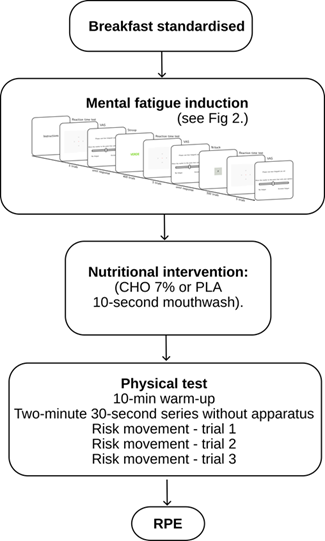
Figure 1 - Data collection Flowchart of the second and third
Saturdays
Mental fatigue task
Participants completed computer-based Stroop and n-back
tasks to induce mental fatigue. The Stroop task (ST) involved identifying the
font color of one of four words (black, green, purple, beige) by pressing the
corresponding key, ignoring the word's meaning. A 500 ms feedback was provided
after each keypress. Each trial lasted approximately 5 minutes.
The
n-back task (NBT) consists of a sequence of capital letters that appear briefly
(2000 ms) one at a time in the center of the computer screen. The participant
was required to press the spacebar if the current letter matched the letter two
screens prior. Feedback (1000 ms) confirmed correct/incorrect responses. All
procedures are repeated for 5 min; approximately 500 times (see Fig. 2).
The combination of the Stroop and n-back tasks was
utilized to ensure a comprehensive depletion of executive resources,
specifically targeting response inhibition and working memory simultaneously.
This multi-task protocol is supported by previous research [23] suggesting that
engaging varied cognitive domains prevents task-specific adaptation and more
effectively induces a global state of mental fatigue in high-performance
athletes.
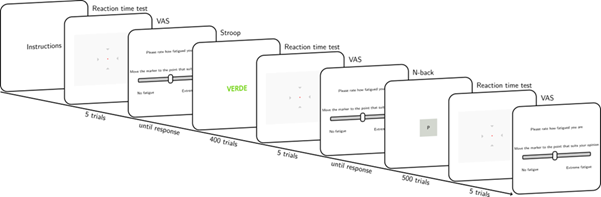
Figure 2 - Schematic representation of an experimental block,
which consists of an alternating sequence of mental fatigue tasks and fatigue
rankings
Mental fatigue ratings
Mental fatigue was assessed using three methods: a Visual
Analog Scale (VAS), a horizontal rectangle filled with red. The rectangle is
numbered from 0 to 100, with higher numbers and more color indicating greater
fatigue. The second was a five-trial reaction time task (RTT). In each trial,
participants pressed the spacebar as quickly as possible after a black circle
appeared on the computer screen. The final was determined by measuring the
frequency with which participants blinked during the task.
The metal fatigue tasks (ST and NBT), as well as the VAS
and RTT, were programmed using OpenSesame software [24] version 4.0 and
executed on laptop computers. In all cases, reaction time and hit numbers were
recorded for each participant.
Blinks detection
OpenFace software [25–28] analyzed video recordings of
participants' faces to identify eye positions, determine eyes were closed, and
estimate blink frequency and duration. Blinks that lasted longer than half a
second were excluded from the analysis.
Treatment
All participants completed mental fatigue tasks (ST, RT,
NBT) and fatigue rankings (VAS) in a consistent order: ST, RT, VAS, NBT, RT,
VAS. Fatigue rankings followed each task. This block was repeated 3-8 times,
based on baseline data. Before the first block, participants completed VAS and
RT. Prior to the commencement of the first block, participants were required to
complete the VAS and RT tasks.
Physical task
A technical commission of three expert coaches from one
of the world’s top-ranked rhythmic gymnastics (RG) teams designed the physical
task circuit. Following a specific 10-minute warm-up, athletes performed an
apparatus-free hoop series simulation before attempting three trials of a
'risk' movement (see Fig. 3). In RG, a risk is defined as a high apparatus
throw combined with two or more dynamic rotations under its flight, followed by
recovery.
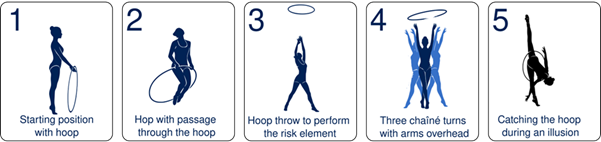
Figure 3 - Schematic representation of the physical task. (1)
Starting position with the hoop held in front of the body. (2) Hop while
passing through the hoop. (3) Throw of the hoop to initiate the risk element.
(4) Three chaîné turns with the arms overhead. (5) Catching the hoop during an
illusion turn while passing through it, without visual control. Figure
generated using Gemini 3.1 with iterative prompt refinement
To ensure objectivity and adherence to the Fédération
Internationale de Gymnastique (FIG) Code of Points, performance was evaluated
by the same two blinded, experienced coaches (20+ years of experience), who
were unaware of the nutritional intervention. They assigned scores using a
0–5–10 system developed to reflect the 'all-or-nothing' nature of risk
elements: 10 for perfect execution; 5 for completed movements with technical
faults (imperfect catch); and 0 for a loss of apparatus (drop), which constitutes
a major competitive deduction.
Physical task intensity was estimated via heart rate
(Polar Team Pro, Kempele, Finland) and classified using ACSM criteria [29]:
very light (< 57% max HR), light (57-63% max HR), moderate (64-76% max HR),
vigorous (77-95% max HR), and close to maximum (> 96% max HR).
After completing the task, athletes completed the CR10
RPE scale, answering: “How hard do you think the exercise was?”
Nutritional intervention
The nutritional intervention utilized a commercial
orange-flavored isotonic drink (Gatorade) as the carbohydrate (CHO) solution,
providing a 7% concentration following Brietzke et al. [9]. Its composition
includes water, sucrose, glucose, sodium chloride, sodium citrate, monobasic
potassium phosphate, citric acid, flavoring, and artificial colors (tartrazine
and sunset yellow).
The
placebo (PLA) was a commercial
sugar-free orange-flavored powdered drink (Clight), match-controlled for color, temperature,
and taste. The PLA composition consists of vitamins (C, A, B1), dehydrated orange juice, citric acid,
sodium citrate, and the sweeteners
aspartame and acesulfame potassium.
To ensure the integrity of the double-blind protocol, an
independent researcher prepared the solutions in identical glasses, and the
sensory similarity between the two brands was previously validated through a
taste test with nutrition students.
Participants were instructed to swish the liquid in their
mouths for 10 seconds without swallowing, and then expel it.
Statistical analysis
The analysis had two stages: first, determining if
athletes reached high mental fatigue, then assessing carbohydrate mouth
rinsing's impact on physical tasks after mental fatigue. The initial stage
began with scatter plots and linear trend lines to compare time reactions and
hits with VAS and blinking frequency.
The second stage used a linear mixed model to analyze
average risk scores. Fixed factors included group (CARB or PLA),
computer-assisted cognitive task duration (DU_PSI), max HR (HR_MAX), and the
rating of perceived exertion (RPE). Random factors were the number of fatigue
task blocks (BLs), experiment day (Day), and participant identification (ID).
average_risk ~ GROUP * DU_PSI * HR_MAX * RPE + (1 | BLs) + (1 | Day) + (1 |
ID)
Interaction effects within the linear mixed model, such
as GROUP * HR_MAX, were included based on the hypothesis that the ergogenic
benefits of carbohydrate mouthwash are more pronounced during periods of higher
physiological stress [9]. To address the risk of overfitting inherent in a
small, elite sample size (n = 12), we used a stepwise backward selection
process to retain only the most parsimonious model.
Furthermore, multicollinearity was assessed using
Variance Inflation Factors (VIF); RPE and HR_MAX were found to be independent
predictors, representing subjective effort and physiological intensity
respectively.
Post hoc tests used Holm adjustment (multcomp library).
All analyses were in R/RStudio using lmerTest and lme4 libraries. Normality and
homoscedasticity were checked pre-selection using performance library.
Results
Mental fatigue test
Participants experienced similar mental fatigue across
three sessions. This was achieved through 3–8 repetitions (average 5.25 ± 1.36)
of a task block (ST + RT + VAS + NBT + RT + VAS), lasting 1 hour and 26 minutes
on average. Mental fatigue, measured by VAS and reaction time (Fig. 4A-B),
increased over time but remained consistent across the three sessions, as
indicated by a similar trend on the first Saturday (Fig. 4A) and the trend
lines of subsequent Saturdays (Fig. 4B).
Another indicator of mental fatigue is fewer hits on the
attention test as the fatigue perception (VAS) increases. Figures 4C and D show
that as perceived mental fatigue rose across conditions, Stroop test hits
declined.
Increased blinking during the test, shown in Figure 4E,
indicates mental fatigue, aligning with the hypothesis that the tasks caused
increased blinking, reaction times, and perceived fatigue. Mental fatigue
levels were consistent across all experimental days.
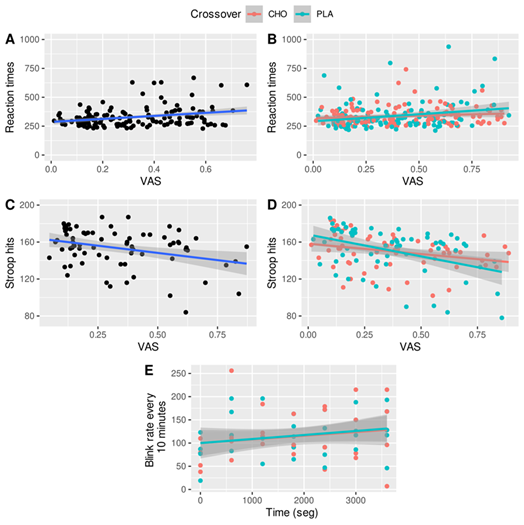
Figure 4 - Scatter plots compare VAS values (x-axis) with the
reaction time of a reaction time task (y-axis of panels A and B) for the first
(A) and second and third sessions (B). Panels C and D illustrate scatter plots
comparing VAS values (x-axis) and frequency of hits on the Stroop test for the
first (C) and second and third sessions (D). Finally, Panel E shows the scatter
plot of blinks' frequency across the attentional tasks
Physical tests
The physical tests, which lasted on average 13 minutes,
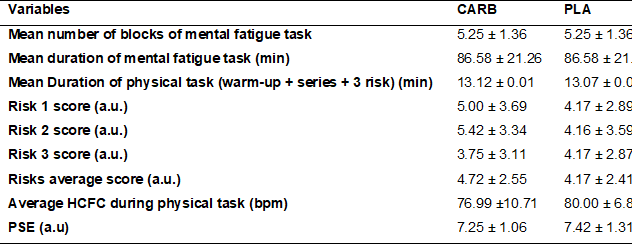
were of vigorous intensity, according to HR and CR10. The mean HR was 76.99 ±
10.71 bpm for the CARB group and 80.00 ± 6.89 bpm for the PLA group. The mean
RPE was 7.25 ± 1.06 for the CARB group and 7.42 ± 1.31 for the PLA group.
Finally, the average score for the risk task was 4.72 ± 2.55 for the CARB group
and 4.17 ± 2.41 for the PLA group. Table I summarizes the results of mental
fatigue and physical tests.
Table I - Number of blocks and duration of the mental fatigue
tests and physical performance indicators of the athletes in each group (CARB
and PLA) (mean ± SD)
a.u. = arbitrary
unit
Linear mixed model
The resulting model after the stepwise backward
model/variable selection was:
average_risk ~ GROUP + DU_PSI + HR_MAX + RPE + (1 | BLs) + GROUP:HR_MAX +
DU_PSI:HR_MAX + DU_PSI:RPE + HR_MAX:RPE
The numerical variables were rescaled using R's scale
function. Tests for normality and homoscedasticity demonstrated that the model
exhibited a normal distribution and homogeneous variance. The R2(marginal) =
0.33 indicated that the model could explain a significant amount of variance.
Table II presents the results of the ANOVA for the linear
mixed model. The ANOVA results indicate differences in the performance of the
risk sequences for the main factors of GROUPs, HR_MAX, and RPE, as well as for
the interactions between GROUP:HR_MAX, DU_PSI:HR_MAX, DU_PSI:RPE, and
HR_MAX:RPE. A post-hoc analysis using the emmeans package comparing the
variable GROUP showed significant differences (tratio = 2.283, df = 12.8, p =
0.0402), with a higher mean risk score in the CARB group. Figure 5 shows a comparison
of the average risk scores of the two groups.
Table II - ANOVA table (type III) for the resulting model
after stepwise backward model/variable selection. Asterisks represent
significant levels lower than: ‘***’0.001, or ‘**’0.01, or ‘*’0.05
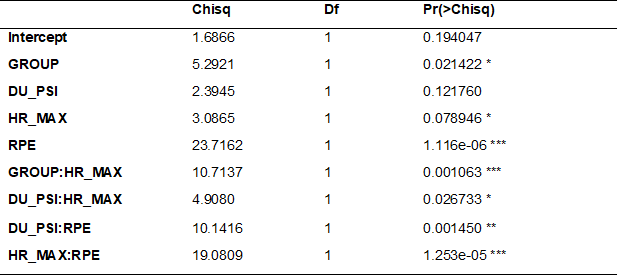
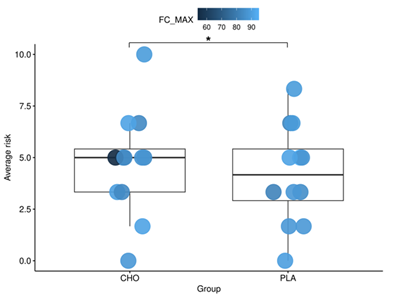
Figure 5 - Box plots of the average risk scores for the groups
CARB and PLA, showing the HR mean through the point colors. Each point
represents an athlete score
Discussion
The present study investigated the impact of carbohydrate
(CHO) mouthwash on the performance of elite rhythmic gymnasts subjected to
acute mental fatigue. The findings demonstrate that the mental fatigue
induction protocol was effective and consistent, revealing an increase in
perceived fatigue and a reduction in cognitive performance, as in other studies
[9,12,14,30,31,32,33,34,35,36,37].
The combined use of self-report (VAS-MF), behavioral
(reaction times), and physiological measures (blink frequency) enabled the
attainment of a high and sustained level of fatigue, despite the marked
resilience of this group of athletes. This multimodal approach represents a
principal contribution of the present study, offering a robust protocol for the
induction of mental fatigue. In this context, our findings indicate a
substantial divergence in mental fatigue (MF) thresholds relative to the
existing literature. Whereas standard protocols typically induce cognitive
exhaustion within approximately 30 minutes in recreational or less specialized
populations [31,32,33,38,39], the elite gymnasts examined here maintained
intensive cognitive performance for an average of 86.58 ± 21.26 minutes before
reaching the fatigue criterion. This duration is comparable to the longest
induction times reported by Van Cutsum et al. [37], who similarly employed a
combination of the Stroop task and additional attentional tasks. Notably, the
Stroop task remains one of the most widely used paradigms for inducing mental
fatigue [8,34,37], thereby further supporting the validity of our approach.
The heightened resilience observed in rhythmic gymnastics
athletes suggests the presence of a specialized cognitive profile, potentially
shaped by the distinctive attentional demands of the discipline, which entails
the simultaneous coordination of apparatus manipulation and technical precision
under strict musical synchronization. This profile may be considered
comparatively more robust than that observed in other sport modalities, such as
soccer players [33] or road cyclists [40], for whom approximately 30 minutes of
mental fatigue induction were sufficient to elicit comparable levels of mental
fatigue. Furthermore, this resistance to MF likely stems from chronic
adaptation to the sport's rigorous ecological routine [20], where
pre-competition warm-ups alone typically last three to four hours [19]. Such
high-volume training necessitates sustained mental focus and may foster
superior neuro-psychological endurance compared to other athletic populations.
The results of the study corroborate the understanding
that mental fatigue has a negative impact on cognitive performance [9,31,32,33,34,35,36,37],
particularly manifesting itself in tasks that require attention and quick
reaction [9,31,32,33,35,36,37]. Notably, the group that performed the CHO mouthwash
showed significantly higher performance in movements with a high level of risk
of losing the device compared to the placebo group, which suggests a complex
interaction between nutritional strategies, mental fatigue state and decision-making
processes in high-performance athletes [8,9,14,31,33,34,37].
This finding is particularly relevant as the literature
suggests that CHO mouthwash can modulate brain responses [1,2,3,4,5,6,8]. CHO
mouthwash is believed to stimulating oral receptors that activate brain areas
related to motor planning and emotional responses, such as the prefrontal
cortex (PFC), and reward circuits in the brain, even without ingestion
[1,5,6,8,9,35,37]. While the precise neurobiological pathways remain to be
fully elucidated through direct imaging, we hypothesize that the observed
improvements in risk execution are mediated by the activation of oral
carbohydrate receptors. This non-metabolic mechanism likely modulates brain
areas associated with motor planning and reward, such as the prefrontal cortex.
Activation of these reward centers can generate positive cognitive, emotional,
and behavioral responses [6,9], which, in turn, can influence the willingness
to take risks or the perception of the outcomes associated with those risks
[6,12,14,33,35,37].
In the context of Rhythmic Gymnastics, this may improve
the quality of movement execution and spatial awareness during high-pressure
'risk' moments, even when the athlete is in a state of cognitive depletion.
Although previous studies have examined the effects of
CHO mouthwash on endurance and cycling performance [5,6,8,9,11], its direct
influence on performance in tasks characterized by a high risk of apparatus
loss under conditions of mental fatigue has not been previously investigated.
This represents one of the principal strengths of the present study, together
with the inclusion of the entire census of the Brazilian National Ensemble
Team, thereby conferring high ecological validity within an elite sport context.
Furthermore, the individualized fatigue-induction protocol ensured that each
gymnast reached her specific cognitive threshold prior to the physical task,
mitigating the bias associated with fixed-duration protocols reported in
earlier research [34].
Clinical implications
For rhythmic gymnasts, a sport that demands perfection of
technical gestures, well-developed physical and artistic abilities, and high
levels of physical and psychological stress [19,21,41], mental fatigue can be a
limiting factor [14,34,37]. The ability to make ideal decisions, especially in
risk situations inherent to performance (e.g., elements of difficulty,
interaction with apparatus) [19,21], is vital. In this context, CHO mouthwash
can be a valuable tool to combat mental fatigue, helping to maintain cognitive
and motor performance during intense training sessions and competitions
[4,8,9,12,37]. CHO mouthwash offers an ergogenic benefit without caloric
intake, minimizing potential gastrointestinal discomfort and supporting the
maintenance of athletes' performance [1,3,4,6,8].
Limitations
It is important to acknowledge some limitations of this
study. Although the study's relevance is justified by the lack of research on
CHO mouthwash in rhythmic gymnasts, the sample size may suggest a small sample
size (n = 12). Despite revealing statistical significance, it may impact the
robustness and generalizability of the results. Furthermore, it is important to
highlight that the study was conducted with gymnasts from the Brazilian
National Team, an elite population with highly specific physiological and
psychological characteristics. The findings may not be directly applicable to
recreational athletes or athletes from other sports. Finally, although the
findings suggest that central nervous system (CNS) mechanisms play a role in
modulating performance, future studies should incorporate direct neuroimaging
techniques to corroborate and elucidate the hypothesised neural activation
patterns.
Conclusion
Carbohydrate mouthwash significantly improved the
performance of elite rhythmic gymnasts in risk movements when subjected to
mental fatigue. This strategy highlights the importance of targeted nutritional
interventions in aesthetic sports to mitigate the negative impacts of cognitive
exhaustion on technical execution.
Ethics approval
This study
was approved by Brazil’s National
Council for Ethics in Research (Conselho Nacional de Ética em Pesquisa [CONEP]) protocol n.º 92652418.0.0000.5546. All
participants provided voluntary informed consent before their enrollment.
Acknowledgments
We would
like to acknowledge the Brazilian national
team of rhythmic
gymnasts.
Competing interests
The
authors declare no competing
interests.
Data
sharing statement
The
R scripts and data are accessible
on Zenodo at https://zenodo.org/records/17194718.
Funding
None
Authors’ contribution
Conceptualization, Writing–original draft, Investigation:
Nascimento IO. Conceptualization, Methodology: Gomes JH, Martins B, Coradine
J, Rezende C, Fernandes I, Fortes LS, Fiorese L. Writing–reviewed draft,
Writing–review & editing:
Oliveira JVC. Investigation: Andrade R. Conceptualization, Writing–review
& editing, Formal Analysis.
Methodology: Tejada J; Conceptualization,
Writing–review & editing,
Methodology: Mendes RR
References
- Carter JM, Jeukendrup AE, Jones DA. The effect of
carbohydrate mouth rinse on 1-h cycle time trial performance. Med Sci Sports
Exerc. 2004;36(12):2107–11. doi: 10.1249/01.mss.0000147585.65709.6f [Crossref]
- Jeukendrup AE, Chambers ES. Oral carbohydrate sensing and exercise
performance. Curr Opin Clin Nutr Metab Care. 2010;13(4):447–51. doi: 10.1097/MCO.0b013e328339de83 [Crossref]
- Ataide-Silva T, Ghiarone T, Bertuzzi R, Stathis CG, Leandro CG, Lima-Silva
AE. CHO mouth rinse ameliorates neuromuscular response with lower endogenous
CHO stores. Med Sci Sports Exerc. 2016;48(9):1810–20. doi: 10.1249/MSS.0000000000000973 [Crossref]
- Peart DJ. Quantifying the effect of carbohydrate mouth rinsing on exercise performance. J Strength Cond Res. 2017;31(6):1737–43. doi: 10.1519/JSC.0000000000001741 [Crossref]
- Brietzke C, Franco-Alvarenga PE, Coelho-Júnior HJ, Silveira R, Asano RY, Pires FO. Effects of carbohydrate mouth rinse on cycling time trial performance: a systematic review and meta-analysis. Sports Med. 2019;49(1):57–66. doi: 10.1007/s40279-018-1029-7 [Crossref]
- Loureiro LMR, Nabuco LL,
Duarte LC, Reis CEG. Efeitos do bochecho de carboidratos no desempenho fí¬sico em corrida de endurance:
uma revisão sistemática. RBNE - Revista Brasileira de Nutrição Esportiva
[Internet]. 2020 [cited 2026 Jan 17];14(87):373–81. Available from:
https://www.rbne.com.br/index.php/rbne/article/view/1686
- Chong E, Guelfi KJ, Fournier PA. Effect of a carbohydrate mouth rinse on maximal sprint performance in competitive male cyclists. J Sci Med Sport. 2011;14(2):162–7. doi: 10.1016/j.jsams.2010.08.003 [Crossref]
- Bailey SP, Harris GK, Lewis K, Llewellyn TA, Watkins R, Weaver MA, et al. Impact of a carbohydrate mouth rinse on corticomotor excitability after mental fatigue in healthy college-aged subjects. Brain Sci. 2021;23:11(8):972. doi: 10.3390/brainsci11080972 [Crossref]
- Brietzke C, Franco-Alvarenga PE, Canestri R, Goethel MF, Vínicius Í, Painelli V de S, et al. Carbohydrate mouth rinse mitigates mental fatigue effects on maximal incremental test performance, but not in cortical alterations. Brain Sci. 2020; 10(8):493. doi: 10.3390/brainsci10080493 [Crossref]
- Jeukendrup A. The new carbohydrate intake recommendations. Nestle Nutr Inst Workshop Ser. 2013;75:63–71. doi: 10.1159/000345820 [Crossref]
- Franco-Alvarenga PE, Brietzke C, Canestri R, Goethel MF, Hettinga F, Santos TM, et al. Caffeine improved cycling trial performance in mentally fatigued cyclists, regardless of alterations in prefrontal cortex activation. Physiol Behav. 2019 May 15;204:41–8. doi: 10.1016/j.physbeh.2019.02.009 [Crossref]
- Marcora SM, Staiano W, Manning V. Mental fatigue impairs physical
performance in humans. J Appl Physiol (1985).
2009;106(3):857–64. doi: 10.1152/japplphysiol.91324.2008 [Crossref]
- Pires FO, Silva-Júnior FL, Brietzke C, Franco-Alvarenga PE, Pinheiro FA, de França NM, et al. Mental fatigue alters cortical activation and psychological responses, impairing performance in a distance-based cycling trial. Front Physiol. 2018;9:227. doi: 10.3389/fphys.2018.00227 [Crossref]
- Russell S, Jenkins D, Rynne S, Halson SL, Kelly V. What is mental fatigue
in elite sport? Perceptions from athletes and staff. Eur J Sport Sci.
2019;19(10):1367–76. doi: 10.1080/17461391.2019.1618397
- Grgic J, Grgic I, Pickering C, Schoenfeld BJ, Bishop DJ, Pedisic Z. Wake up
and smell the coffee: caffeine supplementation and exercise performance-an
umbrella review of 21 published meta-analyses. Br J Sports Med. 2020
Jun;54(11):681–8. doi: 10.1136/bjsports-2018-100278 [Crossref]
- Bobo-Arce M, Méndez Rial B, Bobo-Arce M, Méndez Rial B. Determinants of
competitive performance in rhythmic gymnastics. A review. Journal of Human
Sport and Exercise: JHSE [Internet]. 2013 [cited 2026 Jan 17];8(3):711–27.
Available from: https://portalinvestigacion.udc.gal/documentos/608ca984af765575d40afc72?lang=en
- Di Cagno A, Baldari C, Battaglia C, Monteiro MD, Pappalardo A, Piazza
M, et al. Factors influencing performance of competitive and
amateur rhythmic gymnastics--gender differences. J Sci Med Sport. 2009
May;12(3):411–6. doi: 10.1016/j.jsams.2008.01.006 [Crossref]
- Douda H, Avloniti
A, Kasabalis A, Tokmakidis
SP. Adaptations on physical performance characteristics after a 6-month
specific training in rhythmic gymnasts. Medical Problems of Performing Artists
[Internet]. 2007 [cited 2026 Jan 17];22(1):10–7. Available from:
https://www.jstor.org/stable/48710886
- Marques IL, Menezes VO, Silva RJ, Lourenço MRA, Gomes JH, Mendes RR. Comportamentos de risco para deficiência de energia relativa no esporte em jovens ginastas rítmicas brasileiras de alto rendimento. Rev Bras Fisiol Exerc 2021;20(6):618-32. doi: 10.33233/rbfex.v20i6.4943 [Crossref]
- Menezes VO, Marques IL,
Silva R de J, Lourenço MRA, Gomes JH, Mendes RR. Ansiedade, qualidade de sono e
transtornos alimentares em ginastas rítmicas da Seleção Brasileira Juvenil. Rev Bras Fisiol
Exerc 2022;21(1):36-47. doi: 10.33233/rbfex.v21i1.4945 [Crossref]
- Vernetta M, Montosa I, Beas-Jiménez J, López-Bedoya J. Batería funcional ARISTO en gimnasia rítmica: protocolo de test específicos para la evaluación de jóvenes gimnastas en un ámbito de entrenamiento saludable. Rev Andal Med Deporte. 2017;10(3):112–9. doi: 10.1016/j.ramd.2017.02.001 [Crossref]
- Maughan RJ, Burke LM, Dvorak J, Larson-Meyer DE, Peeling P, Phillips SM, et al. IOC consensus statement: dietary supplements and the high-performance athlete. Br J Sports Med. 2018;52(7):439–55. doi: 10.1136/bjsports-2018-099027 [Crossref]
- Bian C, Russell S, Mali A, Lathouwers E, De Pauw K, Habay J, et al. Methodological considerations and effectiveness for ecologically valid mental fatigue inducement in sports: a systematic review. Sports Med Open. 2025;11(1):82. doi: 10.1186/s40798-025-00891-0 [Crossref]
- Mathôt S, Schreij D, Theeuwes J. OpenSesame: An open-source, graphical experiment builder for the social sciences. Behav Res. 2012;44:314–24. doi: 10.3758/s13428-011-0168-7 [Crossref]
- Baltrusaitis T, Zadeh A, Lim YC, Morency L. OpenFace 2.0: Facial behavior
analysis toolkit. In: 2018 13th IEEE International Conference on Automatic Face
Gesture Recognition (FG 2018). 2018. p. 59–66.
- Baltrusaitis T, Robinson P, Morency LP. Constrained local neural fields for
robust facial landmark detection in the wild. In: 2013 IEEE International
Conference on Computer Vision Workshops 2013:354–61. doi: 10.1109/ICCVW.2013.54 [Crossref]
- Baltrušaitis T, Mahmoud M, Robinson P. Cross-dataset learning and
person-specific normalisation for automatic Action Unit detection. In: 2015
11th IEEE International Conference and Workshops on Automatic Face and Gesture
Recognition (FG) [Internet]. 2015 [cited 2026 Jan 17]. p. 1–6. Available from:
https://ieeexplore.ieee.org/document/7284869
- Zadeh A, Chen M, Poria S, Cambria
E, Morency LP. Tensor fusion network for multimodal sentiment analysis. In: Palmer M,
Hwa R, Riedel S, editors. Proceedings
of the 2017 Conference on Empirical Methods in Natural Language Processing
[Internet]. Copenhagen, Denmark: Association for Computational Linguistics;
2017 [cited 2026 Jan 17]. p. 1103–14. Available from:
https://aclanthology.org/D17-1115/
- Garber CE, Blissmer B, Deschenes MR, Franklin BA, Lamonte MJ, Lee IM, et al. American College of Sports Medicine position stand. Quantity and quality of exercise for developing and maintaining cardiorespiratory, musculoskeletal, and neuromotor fitness in apparently healthy adults: guidance for prescribing exercise. Med Sci Sports Exerc. 2011 Jul;43(7):1334–59. Med Sci Sports Exerc. 2011;43(7):1334-59. doi: 10.1249/MSS.0b013e318213fefb [Crossref]
- Bafna T, Hansen JP. Mental fatigue measurement using eye metrics: A
systematic literature review. Psychophysiology. 2021;58(6):e13828. doi: 10.1111/psyp.13828 [Crossref]
- Migliaccio GM, Di Filippo G,
Russo L, Orgiana T, Ardigò
LP, Casal MZ, et al. Effects of mental fatigue on reaction time in sportsmen.
Int J Environ Res Public Health. 2022;19(21):14360. doi: 10.3390/ijerph192114360 [Crossref]
- Slimani M, Znazen H, Bragazzi NL, Zguira MS, Tod D. The effect of mental fatigue on cognitive and aerobic performance in adolescent active endurance athletes: insights from a randomized counterbalanced, cross-over trial. J Clin Med. 2018;7(12):510. doi: 10.3390/jcm7120510 [Crossref]
- Smith MR, Zeuwts L, Lenoir M, Hens N, De Jong LMS, Coutts AJ. Mental
fatigue impairs soccer-specific decision-making skill. J Sports Sci.
2016;34(14):1297–304. doi: 10.1080/02640414.2016.1156241 [Crossref]
- Sun H, Soh
KG, Roslan S, Wazir MRWN, Soh KL. Does mental fatigue affect skilled performance in
athletes? A systematic review. Plos One. 2021;16(10):e0258307. doi: 10.1371/journal.pone.0258307 [Crossref]
- Wascher E, Rasch B, Sänger J, Hoffmann S, Schneider D, Rinkenauer G, et al.
Frontal theta activity reflects distinct aspects of mental fatigue. Biol
Psychol. 2014 Feb;96:57–65. doi: 10.1016/j.biopsycho.2013.11.010 [Crossref]
- Wirdnam M, Ferrar K, Mayes S, MacMahon C, Cook J, Rio E. “A sprained ankle
is the biggest sign of mental fatigue”: A qualitative study of the perceptions
and experiences of mental fatigue in professional ballet. Phys Ther Sport. 2024
Jan:65:154-161. doi: 10.1016/j.ptsp.2023.12.006 [Crossref]
- Van Cutsem J, De Pauw K, Marcora S, Meeusen R, Roelands B. A
caffeine-maltodextrin mouth rinse counters mental fatigue. Psychopharmacology
(Berl). 2018 Apr;235(4):947–58. doi: 10.1007/s00213-017-4809-0 [Crossref]
- Cuchna FM, Blair P, Herrick J, Collins S. The effects of mental fatigue induced by the stroop test on muscular endurance performance and neuromuscular activation in division iii female athletes. Int J Exerc Sci. 2024;17(4):1540–52. doi: 10.70252/LEDA1951 [Crossref]
- Dallaway N, Lucas SJE, Ring C. Cognitive tasks elicit mental fatigue and impair subsequent physical task endurance: Effects of task duration and type. Psychophysiology. 2022;59(12):e14126. doi: 10.1111/psyp.14126 [Crossref]
- Martin K, Staiano W, Menaspà P, Hennessey T, Marcora S, Keegan R, et al. Superior inhibitory control and resistance to mental fatigue in professional road cyclists. PLoS ONE. 2016; 11(7):e0159907. doi: 10.1371/journal.pone.0159907 [Crossref]
- Silva R de J, Borges LP, Quintans-Júnior LJ, Resende CF, Cadegiani
FA, Gomes JH, et al. Acute effects of a typical rhythmic gymnastic training
day on physiological parameters in Olympic athletes. Kinesiology. 2022;54(2):278–87. doi: 10.26582/k.54.2.9 [Crossref]
