Rev Bras Fisiol Exerc. 2026;25(1):e255658
REVIEW
Neuromuscular electrostimulation in patients with heart failure: a
systematic review with meta-analysis
Eletroestimulação
neuromuscular em pacientes com insuficiência cardíaca: uma revisão sistemática
com metanálise
Aline de Sousa Nassif,
Fernanda Lobo de Jesus Brito, Gilmara Santa Rosa Santos, André Luiz Lisboa
Cordeiro
Centro Universitário
Nobre, Feira de Santana, BA, Brazil
Received: February 16,
2026; Accepted: May 27, 2026
Correspondence: André Luiz Lisboa Cordeiro, andrelisboacordeiro@gmail.com
How to
cite
AS Nassif, FLJ Brito, GSR Santos, ALL Cordeiro. Neuromuscular electrostimulation in patients with heart failure: a
systematic review with meta-analysis. Rev Bras Fisiol Exerc.
2026;25(1):e255658. doi: 10.33233/rbfex.v25i1.5658
Abstract
Introduction: Chronic Heart Failure (CHF) occurs when the heart
is unable to meet the body's demands adequately, resulting in reduced blood
flow. The patient experiences dyspnea, fatigue, and an inability to perform
exercises that require greater effort. Neuromuscular electrostimulation (NMES)
has been used as a treatment to increase muscle strength, functional capacity,
and quality of life. Objective: To review the effectiveness of
NMES on muscle strength, quality of life, and functional capacity in patients
with heart failure. Methods: This is a systematic review using
the PICO strategy, with searches conducted in the PUBMED, SciELO, and LILACS
databases using the descriptors: heart failure, transcutaneous electrical nerve
stimulation, quality of life, muscle strength, and functional status, combined
with the boolean operators 'AND' and 'OR'. Results: Eighteen
studies were included after selection. NMES showed no statistically significant
difference on the functional capacity outcome (difference between means 12.06
meters; 95% CI, -2.55 to +26.66), but there was a statistically significant
difference in quality of life (difference between means 4.20 points; 95% CI,
2.79 to 5.62). The studies showed superiority in muscle strength for patients
with CHF who were exposed to NMES. Conclusion: Neuromuscular
electrostimulation can safely be implemented in patients with heart failure,
positively impacting quality of life and muscle strength, but without affecting
functional capacity.
Keywords: heart failure; transcutaneous electrical nerve
stimulation; quality of life; muscle strength; functional status
Resumo
Introdução: A insuficiência cardíaca crônica (ICC)
ocorre quando o coração se torna incapaz de atender adequadamente às demandas
do organismo, levando à redução do fluxo sanguíneo. O paciente apresenta
dispneia, fadiga e incapacidade de realizar exercícios que exigem maior
esforço. A eletroestimulação neuromuscular (EENM) tem sido utilizada como
tratamento para aumentar a força muscular, a capacidade funcional e a qualidade
de vida. Objetivo: Revisar a efetividade da eletroestimulação
neuromuscular sobre força muscular, qualidade de vida e capacidade funcional em
pacientes com insuficiência cardíaca. Métodos: Trata-se de uma revisão
sistemática utilizando a estratégia PICO, com buscas realizadas nas bases de
dados PUBMED, SciELO e LILACS, utilizando os descritores: insuficiência
cardíaca, estimulação elétrica nervosa transcutânea, qualidade de vida, força muscular
e estado funcional, combinados pelos operadores booleanos “AND” e “OR”. Resultados:
Dezoito estudos foram incluídos após o processo de seleção. A EENM não
demonstrou diferença estatisticamente significativa no desfecho capacidade
funcional (diferença entre médias de 12,06 metros; IC 95%, -2,55 a +26,66),
porém houve diferença estatisticamente significativa para qualidade de vida
(diferença entre médias de 4,20 pontos; IC 95%, 2,79 a 5,62). Os estudos
demonstraram superioridade na força muscular em pacientes com ICC submetidos à
EENM. Conclusão: A eletroestimulação neuromuscular pode ser implementada
com segurança em pacientes com insuficiência cardíaca, impactando positivamente
a qualidade de vida e a força muscular, porém sem efeito sobre a capacidade
funcional.
Palavras-chave: insuficiência cardíaca; estimulação
elétrica nervosa transcutânea; qualidade de vida; força muscular; estado
funcional
Introduction
Heart failure (HF) is a clinical condition characterized
by the heart's inability to pump blood efficiently, leading to symptoms such as
fatigue, dyspnea, and fluid retention. According to McMurray et al. [1],
the prevalence of HF has been increasing globally due to the aging population
and the longer survival of patients with cardiovascular diseases. Despite
therapeutic advances, HF still presents a high rate of morbidity and mortality,
making it necessary to explore alternatives to improve patients' quality of
life. Cardiovascular rehabilitation has become an important approach, and
neuromuscular electrostimulation (NMES) emerges as a promising intervention to
optimize the muscular and functional performance of patients with HF [2].
NMES uses electrical stimuli to promote muscle
contraction and improve muscle strength and endurance in individuals with
neuromuscular dysfunctions. In patients with HF, peripheral muscle function is
often compromised due to the chronic deconditioning process, leading to reduced
functional capacity [3]. According to Barlow et al. [4], NMES has shown
potential in the rehabilitation of skeletal muscles, particularly in the lower
limbs, which are more affected by HF. This treatment modality is capable of
stimulating both slow and fast-twitch muscle fibers, improving muscle trophism
and reducing the risk of atrophy [5].
Recent studies have shown that NMES can improve muscle
strength, exercise tolerance, and quality of life in patients with heart
failure [6,7]. The combination of NMES with cardiovascular rehabilitation
programs has proven effective in optimizing outcomes in terms of functionality
and overall physical health of patients [7]. However, there are discrepancies
regarding the most appropriate stimulation protocol, such as frequency,
intensity, and duration of the treatment. Among these parameters, the personalization
of the therapy appears to be a key factor in maximizing the benefits [8].
Based on current evidence, it is expected that this will
provide support for the integration of NMES into clinical cardiovascular
rehabilitation practice, offering more effective therapeutic alternatives for
this patient population [9,10]. In light of this scenario, the present
systematic review aims to assess the effectiveness of NMES on muscle strength,
quality of life, and functional capacity in patients with heart failure.
Methods
Study type and registration
This systematic review was completed following the
guidelines of the Preferred Reporting Items for Systematic Reviews and
Meta-Analyses (PRISMA) [11]. The article was registered in the International
Prospective Register of Systematic Reviews (PROSPERO) with the number
CRD42025637595.
Eligibility criteria
This systematic review used the PICOS strategy [12]. The
study population consisted of heart failure patients who underwent
neuromuscular electrostimulation. The control group consisted of patients who
did not undergo electrostimulation. The outcomes were related to muscle
strength, quality of life, and functional capacity. We included randomized
clinical trials, with no restrictions on language or year of publication.
Information sources
A search was conducted on the computer, consulting Web of
Science, Latin American and Caribbean Literature in Health Sciences (LILACS),
PubMed, Cochrane Central Register of Controlled Trials (CENTRAL), and OVID.
Additionally, the reference lists of previous systematic reviews and eligible
clinical trials for this review were examined. The search for articles was
completed in November 2024.
Search
The search was based on the previously described PICOS
strategy and the boolean operators AND and OR. The search strategy used in
PubMed is presented in Chart 1.
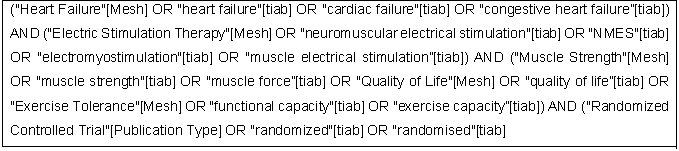
Chart 1 – Search strategy
Study selection
This systematic review included randomized clinical
trials involving patients with heart failure. To be eligible, the clinical
trial had to assign heart failure patients to a neuromuscular
electrostimulation treatment. Studies, regardless of sex, were also included.
Neuromuscular electrostimulation (NMES) consists of applying an electrical
current, which can be either low or medium frequency, through electrodes placed
on the skin to stimulate a specific muscle. Studies involving other types of
interventions combined with NMES were excluded.
Data collection process
For the extraction of selected articles, the following
steps were followed: title screening (first step), abstract review (second
step), and full-text reading (third step). Then, an exploratory reading of the
selected studies was performed, followed by a selective and analytical reading.
The data extracted from the articles were summarized by authors, journal, year,
title, and conclusions, to gather important information for the research.
The methodological quality of the studies was assessed by
three independent reviewers. When disagreements arose, the article was read in
full for reassessment. If the disagreement persisted, a fourth reviewer
evaluated the study and made the final decision.
Data items
Two authors independently extracted data from the
published reports using a standard data extraction method, considering the
following aspects:
-
Study population characteristics, such as mean age, sex, number of patients, and diagnosis;
-
Intervention details, including sample size, type of neuromuscular electrical stimulation, presence of supervision, intensity, frequency, and duration of each session;
-
Follow-up;
-
Loss to follow-up;
-
Outcome measures;
-
Reported results.
Quality of each study
The methodological quality was assessed using the PEDro
scale [13], which includes 11 items: 1-Eligibility criteria; 2-Random
allocation; 3-Concealed allocation; 4-Baseline comparison; 5-Blinding of
participants; 6-Blinding of therapists; 7-Blinding of assessors; 8-Adequate
follow-up; 9-Intention-to-treat analysis; 10-Comparisons between groups;
11-Point estimates and variability. Each item is scored as present (1) or
absent (0), resulting in a maximum score of 10 points, excluding the first
item.
Synthesis of results
The presence of heterogeneity was evaluated using the chi2 test and the I2 statistic. This statistic
illustrates the percentage of variability in effect estimates from
heterogeneity rather than sampling error.
Statistical assessment
The mean difference between groups and the respective 95%
confidence intervals were calculated and used to quantify the effect of
continuous outcomes. For the meta-analyzes in which the studies used the same
scales, the results were presented as mean difference (MD) and 95% confidence
intervals. Otherwise, the effects were calculated using standardized mean
difference (SMD) and 95% confidence intervals. The effect size of the
interventions was defined as small (MD < 10% of the scale or SMD < 0.4);
moderate (MD = 10% to 20% of the scale or SMD = 0.41 to 0.7) or large (MD >
20% of the scale or SMD > 0.7).
Results
Study selection and characteristics
According to the data presented in the article selection
flowchart (Figure 1), the database search yielded a total of 1,980 articles,
with 43 duplicates. Initially, 1,870 articles were excluded based on title and
abstract screening. After full-text review, 49 articles were excluded because
they combined NMES with other interventions. Therefore, this systematic review
included 18 articles, which met the eligibility criteria for inclusion in this
review.
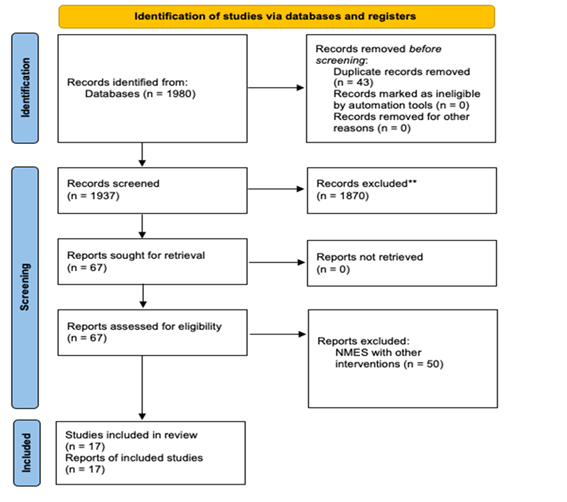
Figure 1 - Flowchart for study selection
Methodological quality results
According to the PEDro scale, six studies were rated as
having low methodological quality, eleven as moderate, and two as high. The
criteria evaluated by the PEDro scale, and the scores obtained by each study
are presented in detail in Table I.
Table I - Classification of articles on the PEDro Scale
A total of 292 patients received the intervention in the
studies included in this review. The age ranged from 18 to 66 years and the
prevalence was male with 195 (66%). The remaining data are in Table II.
Table III shows the main parameters used to apply NMES to
the study population.
Table II - Summary of the characteristics of the articles
analyzed
Sixteen studies [14,15,16,17,18,19,20,21,22,23,24,25,26,27,28,29,31] analyzed the impact of EENM on
functional capacity. For the meta-analysis of this comparison, a random model
was used (I2 = 74%, df = 15, p = 0.00001), which revealed no
statistically significant difference between the groups in the comparison
between the EENM and the control (difference between the means 12.06 meters;
95% CI, -2.55 to +26.66; Fig. 2).
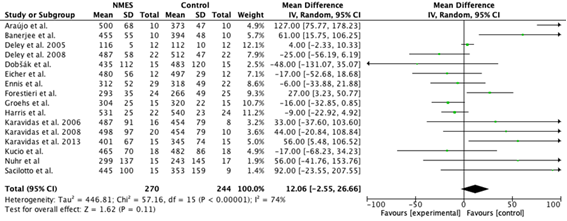
Figure 2 - Forest plot of the results of the meta-analysis
Quality of life
Nine studies [14,18,19,22,24,26,27,28,31] analyzed the
impact of EENM on quality of life. For the meta-analysis of this comparison, a
random model was used (I2 = 97%, df = 8, p = 0.00001), in which
there was a statistically significant difference between the groups in the
comparison between the EENM and the control (difference between the means 4.20
points; 95% CI, 2.79 to 5.62; Fig. 3).
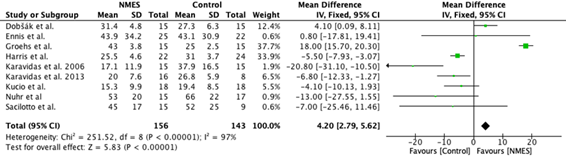
Figure 3 - Forest plot of the results of the meta-analysis
We also conducted a specific analysis, separating the
effect on functional capacity during hospitalization and in phase 2 (Figures 4
and 5).
Functional capacity in hospital
Three studies analyzed the impact of EENM on functional
capacity in hospital scenarios. For the meta-analysis of this comparison, a
fixed model was used (I2 = 94%, df = 2, p < 0.00001), in which
there was no statistically significant difference between the groups in the
comparison between the EENM and the control (difference between the means 7.02
meters; 95% CI, -6.25 to +20.30; Fig. 4).

Figure 4 - Forest plot of the results of the meta-analysis
Functional capacity in out-of-hospital scenario
Thirteen studies analyzed the impact of EENM on
functional capacity in out-of-hospital scenarios. For the meta-analysis of this
comparison, a fixed model was used (I2 = 53%, df = 12, p = 0.01), in
which there was no statistically significant difference between the groups in
the comparison between the EENM and the control (difference between the means
2.12 meters; 95% CI, -3.20 to +7.45; Fig. 5).
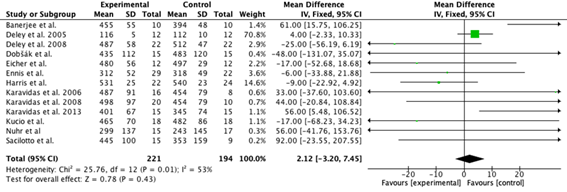
Figure 5 - Forest plot of the results of the meta-analysis
Discussion
Neuromuscular Electrical Stimulation (NMES) has been
widely investigated as a therapeutic tool to improve functional capacity,
muscle strength, and quality of life in patients with chronic heart failure
(CHF). The present discussion analyzes the results of several studies that
evaluated the impact of NMES in patients with stable or decompensated CHF,
addressing both the effectiveness of this approach and the variables that may
influence the outcomes.
The results of the reviewed studies consistently
demonstrate that the distance covered in the 6-minute walk test (6MWT) is a
variable sensitive to changes induced by NMES. Most studies reported
significant improvements in patients' functional capacity, with notable works
by Deley et al. [15] and Eicher et al. [17], which showed
substantial increases in the distance covered with the use of NMES. For
example, Deley et al. [15] observed a 13.8% increase in the NMES group
compared to a 16.5% increase in the conventional exercise control group. The
effectiveness of NMES was even more pronounced in studies such as Sacilotto et
al. [27], which demonstrated an average increase of 120 meters in the
distance covered by patients following NMES treatment.
This improvement can be explained by the ability of NMES
to directly activate muscles without requiring voluntary effort. For patients
with significant muscle weakness, which is common in the advanced stages of
CHF, electrical stimulation allows for the activation of peripheral and
respiratory muscles that are not sufficiently recruited during conventional
physical activities, such as walking. Additionally, NMES can enhance muscle
efficiency, promoting strength gains and reducing fatigue. This mechanism makes
it particularly beneficial for individuals who struggle with muscle activation
due to the limitations imposed by their condition.
Although both NMES and conventional exercise have shown
beneficial effects on functional capacity, the impact of NMES tends to be more
pronounced in patients with limited mobility or severe physical restrictions.
In studies such as those by Groehs et al. [26] and Deley et al.
[18], NMES produced greater increases in the distance covered in the 6MWT
compared to conventional interventions, especially in patients with advanced
CHF or marked muscle weakness. This suggests that NMES can provide a more
effective means of improving functional capacity in individuals who are less
able to perform traditional exercises due to their physical limitations. By
directly stimulating the muscles, NMES helps overcome some of the barriers
posed by the disease, leading to more substantial gains in mobility.
Although studies demonstrate benefits in preserving
muscle mass and strength, as well as in improving cardiorespiratory function,
gaps remain in the understanding of the underlying cellular and molecular
processes. Investigating aspects such as selective muscle fiber recruitment,
modulation of peripheral perfusion, influence on tissue oxygenation, and
effects on metabolic and inflammatory pathways may provide stronger support for
evidence-based practice. This mechanistic understanding would allow for the development
of more targeted protocols, the identification of patient subgroups that may
benefit more significantly, and the safe and effective translation of
scientific evidence into clinical practice.
On the other hand, in patients with preserved mobility or
better functional capacity, conventional training with aerobic and resistance
exercises, as used in Dobšák et al. [14], demonstrated similar or even
superior effects compared to NMES. The active mobilization provided by
conventional exercise may be more effective in maintaining and improving
aerobic capacity and muscle strength in patients with less physical impairment.
Therefore, while NMES may be advantageous for patients in more advanced stages
of the disease or with severely limited mobility, conventional exercise remains
a relevant strategy for patients with less severe CHF. In essence, the choice
between NMES and conventional exercise largely depends on the patient's stage
of the disease and physical limitations. For those with more preserved
function, conventional exercise can provide more comprehensive benefits,
whereas NMES serves as an effective tool for patients with significant
functional decline.
The variability in the results observed across different
studies can be attributed to several factors, with a key focus on the intensity
and frequency of the NMES protocols used. Studies with higher stimulation
frequencies, such as 50 Hz (observed in Groehs et al. [26] and Sacilotto
et al. [27]), showed better results in terms of muscle strength increase
and distance covered in the 6MWT. This is because intense stimulation tends to
generate visible and stronger muscle contractions, which are more effective in
improving muscle capacity. In contrast, low-frequency protocols and suboptimal
intensity may have limited effects, as observed in studies by Nuhr et al.
[24] and Ennis et al. [31], where improvements were less pronounced or
even not significant. The intensity of the muscular work performed with NMES is
a determining factor in the effectiveness of the intervention, as a lower
intensity may not be sufficient to promote significant physiological
adaptations. The proper balance between frequency, intensity, and duration of
stimulation is essential for achieving the desired therapeutic outcomes.
Therefore, tailoring the protocol to the individual patient's condition and
needs is crucial to maximizing the benefits of NMES.
Moreover, the heterogeneity of NMES protocols used across
the reviewed trials — including differences in stimulation frequency, duration,
intensity, and treatment length — makes it challenging to establish
standardized recommendations and may partly explain the divergent results
reported in literature.
Another factor that can influence the results is the
duration of the treatment protocol. Longer protocols, such as those used in
Karavidas et al. [22] and Banerjee et al. [21], generally
produce more robust results. The continuity of stimulation over weeks or months
appears to be crucial for promoting sustained muscle adaptations and long-term
benefits. Shorter protocols may have immediate beneficial effects, but they
often fail to sustain improvements in functional capacity and quality of life
over time. This suggests that for NMES to be truly effective, especially in
improving the long-term health and well-being of patients with chronic heart
failure, consistent and prolonged use of the therapy is needed. Short-term gains
may be encouraging, but without continued stimulation, patients may experience
a return to baseline levels of function. Hence, protocols with longer duration
are likely to have a more lasting impact on both muscle strength and overall
functional capacity.
Improvement in quality of life is another important point
observed in the studies. Although NMES has led to improvements in functional
capacity, its effects on quality of life have been more variable. Some studies,
such as those by Groehs et al. [26] and Sacilotto et al. [27],
showed significant improvements in quality of life, with reductions in symptoms
of dyspnea and fatigue. These benefits may be attributed to the reduction in
muscular overload and the improvement in exercise efficiency, which, in turn,
can alleviate the symptoms associated with heart failure. However, studies such
as those by Harris et al. [18] and Ennis et al. [30] found no
significant differences between the NMES and control groups in quality of life,
suggesting that, despite the benefits to functional capacity, NMES may not be
sufficient to induce significant changes in psychological or emotional aspects,
which could require a more holistic therapeutic approach.
Although the results of the reviewed studies are
promising, several limitations must be considered. Many of the studies have
small sample sizes and a heterogeneity in stimulation protocols, which makes
direct comparisons between the results difficult [30,31]. Additionally, most of
the studies include patients in more advanced stages of heart failure, which
may limit the generalization of the findings to populations with less severe
heart failure. Future investigations should consider more heterogeneous samples,
including different stages of heart failure, to assess the effects of NMES on
various populations. Moreover, further studies are needed to determine the
ideal doses of intensity and duration for the NMES protocol, as well as the
composition of rehabilitation programs, which could combine conventional
exercises with NMES.
Conclusion
The results of this review indicate that NMES may provide
benefits in quality of life and, in some studies, improvements in functional
capacity such as the 6-minute walk test. However, when statistically pooled,
the impact on functional capacity was not consistent across trials,
highlighting the divergence between narrative interpretation and statistical
conclusions. NMES appears to be particularly useful for patients with limited
mobility or significant muscle weakness, offering advantages that conventional
exercise may not always provide. Nevertheless, NMES protocols should be
carefully adjusted in terms of frequency and intensity to maximize their
potential benefits. For patients with preserved mobility, conventional training
remains a valid and effective strategy, and its combination with NMES may
enhance outcomes. Ultimately, a multimodal therapeutic approach — including
NMES, structured exercise and continuous monitoring of quality of life — may
represent the most appropriate strategy for managing patients with chronic
heart failure.
Conflict of interest
The authors declare no conflict of interest.
Sources of funding
This research did not receive any specific grant from
funding agencies in the public, commercial, or not-for-profit sectors.
Authors' contributions
Conception and design of the research: Nassif AS, Brito FLJ, Santos GSR, Cordeiro ALL; Data collection:
Nassif AS, Brito FLJ, Santos GSR; Data analysis and interpretation:
Cordeiro ALL; Manuscript writing: Nassif AS, Brito FLJ, Santos GSR; Critical
revision of the manuscript for important intellectual content: Cordeiro ALL
References
- Murphy SP, Ibrahim NE, Januzzi JL Jr. Heart failure with reduced ejection
fraction: a review. JAMA. 2020;324(5):488-504. doi: 10.1001/jama.2020.10262.
Erratum in: JAMA. 2020;324(20):2107. doi: 10.1001/jama.2020.21736 [Crossref]
- Dawson A, Bonner C, Donald M, et al. The role of physical activity in heart failure rehabilitation: an update. Eur J Prev Cardiol. 2020;27(2):123-33. doi: 10.1016/j.jacc.2011.04.020 [Crossref]
- Mounsey LA, Guo M, Lau ES, Ho JE. Exercise training in heart failure: clinical benefits and mechanisms. Circ Res. 2025 Jul 7;137(2):273-89. doi: 10.1161/CIRCRESAHA.124.325533 [Crossref]
- Coletti RH. The ischemic model of chronic muscle spasm and pain. Eur J Transl Myol. 2022;32(1):10323. doi: 10.4081/ejtm.2022.10323 [Crossref]
- Ploesteanu RL, Nechita AC, Turcu D, Manolescu BN, Stamate SC, Berteanu M.
Effects of neuromuscular electrical stimulation in patients with heart failure
- review. J Med Life. 2018;11(2):107-18
- Carraro U, Rigatelli G, Rossini K, Barbiero M, Rigatelli G. Demand dynamic bio-girdling in heart failure: improved efficacy of dynamic cardiomyoplasty by LD contraction during aortic out-flow. Int J Artif Organs. 2003;26(3):217-24. doi: 10.1177/039139880302600307 [Crossref]
- Jones S, Man WD, Gao W, Higginson IJ, Wilcock A, Maddocks M. Neuromuscular electrical stimulation for muscle weakness in adults with advanced disease. Cochrane Database Syst Rev. 2016;10(10):CD009419. doi: 10.1002/14651858.CD009419.pub3 [Crossref]
- Guilherme D, Ferreira M, Oliveira E. Tailoring neuromuscular electrical stimulation protocols in heart failure patients: A review. J Cardiopulm Rehabil Prev. 2022;42(3):159-67. doi: 10.18103/mra.v10i12.3369 [Crossref]
- Gomes Neto M, Oliveira FA, Reis HF, de Sousa Rodrigues- E Jr, Bittencourt HS, Oliveira Carvalho V. Effects of neuromuscular electrical stimulation on physiologic and functional measurements in patients with heart failure: A systematic review with meta-analysis. J Cardiopulm Rehabil Prev. 2016;36(3):157-66. doi: 10.1097/HCR.0000000000000151 [Crossref]
- Maddocks M, Gao W, Higginson IJ, Wilcock A. Neuromuscular electrical stimulation for muscle weakness in adults with advanced disease. Cochrane Database Syst Rev. 2013;(1):CD009419. doi: 10.1002/14651858.CD009419.pub2. [Crossref] Update in: Cochrane Database Syst Rev. 2016;10:CD009419. doi: 10.1002/14651858.CD009419.pub3 [Crossref]
- Maher D, Liberati A, Tetzlaff J, Altman DG, The PRISMA Group. Preferred Reporting Items for Systematic Reviews and Meta-Analyses: The PRISMA Statement. PLoS Med.2009;6(7):e1000097.
- Santos CMC, Pimenta CAM, Nobre MR. The PICO strategy for the research question construction and evidence search. Rev Lat Am Enfermagem. 2007;15(3):508-11. doi: 10.1590/s0104-11692007000300023 [Crossref]
- Maher CG, Sherrington C, Herbert RD, Moseley AM, Elkins M. Reliability of
the PEDro scale for rating quality of randomized controlled trials. Phys Ther.
2003;83(8):713-21. PMID: 12882612
- Dobsák P, Nováková M, Fiser B, Siegelová J, Balcárková P, Spinarová L, et al. Electrical stimulation of skeletal muscles. An alternative to aerobic exercise training in patients with chronic heart failure? Int Heart J. 2006;47(3):441-53. doi: 10.1536/ihj.47.441 [Crossref]
- Deley G, Kervio G, Verges B, Hannequin A, Petitdant MF, Salmi-Belmihoub S, et al. Comparison of low-frequency electrical myostimulation and conventional aerobic exercise training in patients with chronic heart failure. Eur J Cardiovasc Prev Rehabil. 2005;12(3):226-33. doi: 10.1097/01.hjr.0000166455.23346.a5 [Crossref]
- Deley G, Eicher JC, Verges B, Wolf JE, Casillas JM. Do low-frequency electrical myostimulation and aerobic training similarly improve performance in chronic heart failure patients with different exercise capacities? J Rehabil Med. 2008;40(3):219-24. doi: 10.2340/16501977-0153 [Crossref]
- Eicher JC, Dobsak P, Berteau O, Walker P, Verges B, Maillefert JF, et al.
Rehabilitation in chronic congestive heart failure: comparison of bicycle
training and muscle electrical stimulation. Scr Med (Brno) 2004;77(5–6):
261–70.
- Harris S, LeMaitre JP, Mackenzie G, Fox KA, Denvir MA. A randomised study of home-based electrical stimulation of the legs and conventional bicycle exercise training for patients with chronic heart failure. Eur Heart J. 2003;24(9):871-8. doi: 10.1016/s0195-668x(02)00822-9 [Crossref]
- Karavidas AI, Raisakis KG, Parissis JT, Tsekoura DK, Adamopoulos S, Korres DA, et al. Functional electrical stimulation improves endothelial function and reduces peripheral immune responses in patients with chronic heart failure. Eur J Cardiovasc Prev Rehabil. 2006;13(4):592-7. doi: 10.1097/01.hjr.0000219111.02544.ff [Crossref]
- Araújo CJ, Gonçalves FS, Bittencourt HS, dos Santos NG, Mecca Junior SV, Neves JL, et al. Effects of neuromuscular electrostimulation in patients with heart failure admitted to ward. J Cardiothorac Surg. 2012;7:124. doi: 10.1186/1749-8090-7-124 [Crossref]
- Banerjee P, Caulfield B, Crowe L, Clark AL. Prolonged electrical muscle stimulation exercise improves strength, peak VO2, and exercise capacity in patients with stable chronic heart failure. J Card Fail. 2009;15(4):319-26. doi: 10.1016/j.cardfail.2008.11.005 [Crossref]
- Karavidas A, Parissis J, Arapi S, Farmakis D, Korres D, Nikolaou M, et al. Effects of functional electrical stimulation on quality of life and emotional stress in patients with chronic heart failure secondary to ischaemic or idiopathic dilated cardiomyopathy: a randomised, placebo-controlled trial. Eur J Heart Fail. 2008;10(7):709-13. doi: 10.1016/j.ejheart.2008.05.014 [Crossref]
- Karavidas A, Driva M, Parissis JT, Farmakis D, Mantzaraki V, Varounis C, et al. Functional electrical stimulation of peripheral muscles improves endothelial function and clinical and emotional status in heart failure patients with preserved left ventricular ejection fraction. Am Heart J. 2013;166(4):760-7. doi: 10.1016/j.ahj.2013.06.021 [Crossref]
- Nuhr MJ, Pette D, Berger R, Quittan M, Crevenna R, Huelsman M, et al. Beneficial effects of chronic low-frequency stimulation of thigh muscles in patients with advanced chronic heart failure. Eur Heart J. 2004;25(2):136-43. doi: 10.1016/j.ehj.2003.09.027 [Crossref]
- Quittan M, Wiesinger GF, Sturm B, Puig S, Mayr W, Sochor A, et al. Improvement of thigh muscles by neuromuscular electrical stimulation in patients with refractory heart failure: a single-blind, randomized, controlled trial. Am J Phys Med Rehabil. 2001;80(3):206-14. doi: 10.1097/00002060-200103000-00011 [Crossref]
- Groehs RV, Antunes-Correa LM, Nobre TS, Alves MJ, Rondon MU, Barreto AC, et al. Muscle electrical stimulation improves neurovascular control and exercise tolerance in hospitalised advanced heart failure patients. Eur J Prev Cardiol. 2016 Oct;23(15):1599-608. doi: 10.1177/2047487316654025 [Crossref]
- Sacilotto MCB, Lavagnoli CFR, Silveira-Filho LM, Vilarinho KAS, Oliveira ESB, Carvalho DD, et al. A simpler and shorter neuromuscular electrical stimulation protocol improves functional status and modulates inflammatory profile in patients with end-stage congestive heart failure. Int. J. Cardiovasc. Sci. 2017;30(6):484-95. doi: 10.5935/2359-4802.20170064 [Crossref]
- Kucio C, Stastny P, Leszczy?ska-Bolewska B, Engelmann M, Kucio E, Uhlir P, et al. Exercise-based cardiac rehabilitation with and without neuromuscular electrical stimulation and its effect on exercise tolerance and life quality of persons with chronic heart failure. J Hum Kinet. 2018;65:151-64. doi: 10.2478/hukin-2018-0045 [Crossref]
- Forestieri P, Bolzan DW, Santos VB, Moreira RSL, de Almeida DR, Trimer R, et al. Neuromuscular electrical stimulation improves exercise tolerance in patients with advanced heart failure on continuous intravenous inotropic support use-randomized controlled trial. Clin Rehabil. 2018;32(1):66-74. doi: 10.1177/0269215517715762 [Crossref]
- Ennis S, McGregor G, Hamborg T, Jones H, Shave R, Singh SJ, et al. Randomised feasibility trial into the effects of low-frequency electrical muscle stimulation in advanced heart failure patients. BMJ Open. 2017;7(8):e016148. doi: 10.1136/bmjopen-2017-016148 [Crossref]
- Kadoglou NP, Mandila C, Karavidas A, Farmakis D, Matzaraki V, Varounis C, et al. Effect of functional electrical stimulation on cardiovascular outcomes in patients with chronic heart failure. Eur J Prev Cardiol. 2017;24(8):833-39. doi: 10.1177/2047487316687428 [Crossref]
